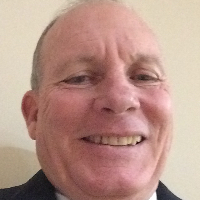
Donald McRae
LPC, LCMHC
Compassionate counselor focused on practical change
Opens BetterHelp in a new tab, where you can review online therapy options.
- Anger and emotion skills
- Values-based work
- Mindfulness and DBT
About Donald
He brings 25 years of experience across clinics, military settings, and nonprofit agencies. That work included individual therapy and group facilitation. His background includes work with people facing caregiver stress, aging and geriatric concerns, workplace difficulties, and veteran and armed forces issues.
In session he draws on Cognitive Behavioral Therapy, Dialectical Behavior Therapy, Acceptance and Commitment Therapy, Mindfulness approaches, and Motivational Interviewing. He keeps the focus on skills people can use between meetings, like emotion regulation, values-based choices, and mindful awareness. Sessions aim to be practical and down-to-earth rather than overly technical.
Clients can expect a nonjudgmental, empathic stance. He emphasizes honest conversation, committed effort, and clear goals. He describes therapy as a team process where both client and counselor work toward measurable changes.
Donald asks people to be ready for self-reflection and steady effort. He balances support with tools that help manage strong feelings, rebuild relationships, and handle life transitions. This is aimed at people who want straightforward help for anger and related struggles.
Areas of expertise
Primary focus
Also works with
Additional focus areas
Therapeutic approaches
Experience
25+ years
Credentials
South Carolina, North Carolina
Languages
English
How therapeutic approaches work online and in session
Acceptance and Commitment Therapy (ACT) focuses on clarifying what matters to a person and taking steps toward those values even when strong feelings are present. It helps with persistent anger, anxiety, and life transitions by linking actions to personal priorities.Cognitive Behavioral Therapy (CBT) looks at how thoughts, feelings, and behaviors interact. It teaches practical tools to change unhelpful thinking patterns and test new behaviors, which can reduce anger, depression, and anxiety symptoms.
Dialectical Behavior Therapy (DBT) offers concrete skills for managing intense emotions and improving interpersonal effectiveness. It emphasizes emotion regulation, distress tolerance, and mindful awareness, which can be useful for anger and relationship difficulties.
Choosing the right approach is a shared process. The therapist will work with each person to identify goals, preferences, and what feels most useful. That collaborative process can include trying different techniques and adjusting the plan as needed.
The original biography does not list specific online session formats, so confirm current options before booking. Online therapy can make it easier to fit sessions into a busy life, reduce travel time, allow brief check-ins during breaks, and let clients use video or phone settings that suit their comfort and bandwidth. Licensed professionals can tailor session pacing and homework to match everyday routines rather than promising a particular delivery method.
At a glance
- Listed location
- North Carolina
- Experience
- 25+ years
- Credentials
- LPC, LCMHC
- Languages
- English
- License (South Carolina)
- LPC · No. 4661
- License (North Carolina)
- LCMHC · No. 16473
- NPI
- 1700988326
As listed by the therapist. You can check a license with the state board and an NPI with the national registry.
Frequently asked questions
What kinds of problems does Donald help with?
He works with concerns such as anger, anxiety, depression, addictions, grief, relationship strain, trauma, sleep issues, parenting stress, self-esteem, career challenges, and coping with life changes.
What is his approach in therapy?
He uses straightforward methods from Cognitive Behavioral Therapy, Dialectical Behavior Therapy, Acceptance and Commitment Therapy, Mindfulness, and Motivational Interviewing to build skills and make practical changes.
How much experience does he have?
He has 25 years of clinical experience working in mental health clinics, military settings, and nonprofit agencies with both individual clients and groups.
Which credentials and region apply to his practice?
He holds LPC and LCMHC credentials and practices in North Carolina.
Can sessions be conducted in other languages or internationally?
Sessions are offered in English only and international clients are not currently accepted.
What session formats are available?
The original biography does not specify session formats, so confirm current session options with the service before booking.
How is cost handled for sessions?
Cost varies with location and therapist arrangements; sessions use a subscription that can be canceled at any time.
How do I begin working with him?
Start by selecting the Start Therapy button, completing a short matching questionnaire, and scheduling according to the therapist's availability.
Before you start
- Online talk therapy is not a court-ordered or mandated anger-management course, and it does not provide attendance certificates.
- Check that the location and license details above fit where you live.
- If anyone is at risk of being harmed, contact emergency services or a domestic-abuse helpline first. See the support lines for the US, UK and Australia.