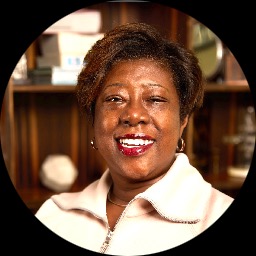
Deonia Young
LICSW, LCSW, CSW
Compassionate social worker for practical change
Opens BetterHelp in a new tab, where you can review online therapy options.
- Focus on anger
- Practical coping skills
- Attachment-informed care
About Deonia
Her approach mixes practical methods drawn from Cognitive Behavioral Therapy, Dialectical Behavior Therapy, Motivational Interviewing, Solution-Focused Therapy, and attachment-informed work. Sessions center on identifying what is causing distress and trying simple, useful tools that can be practiced between meetings. She helps people notice patterns, manage impulses, and build clearer communication habits.
Deonia also addresses relationship and family concerns in a way that focuses on individual needs and patterns. She supports people dealing with trauma and abuse, adoption and foster care issues, caregiver stress, and life transitions like midlife change and aging concerns. She pays attention to how early attachment and family-of-origin patterns affect current behavior.
Her style is warm and flexible, aiming to meet people where they are. She uses straightforward feedback and collaborative goal-setting. Sessions are practical and goal-oriented while leaving room to process emotions.
Deonia practices in Georgia and offers services in English. She uses her social work background to connect everyday challenges with realistic steps forward.
Areas of expertise
Primary focus
Also works with
Additional focus areas
Therapeutic approaches
Experience
6+ years
Credentials
California, Alabama, Georgia
Languages
English
How these approaches translate to online therapy
Attachment-Based Therapy pays attention to how early relationships shape current feelings and reactions. It helps people identify patterns that show up in close connections and learn new ways to respond. Cognitive Behavioral Therapy, or CBT, focuses on practical skills to change unhelpful thinking and behavior. It is often used for anxiety, depression, and problems like impulsivity or anger by teaching small experiments and thought tracking.Choosing the right method is a team effort. The therapist will listen to the person’s goals and day-to-day challenges, then recommend approaches that fit. Sessions can combine methods so tools are tailored to what someone needs most, and the plan is revised as therapy progresses.
The biography does not list specific online session formats, so please confirm available options before booking. In general, online work can make it easier to fit sessions into a busy week, allow short check-ins when needed, and reduce travel time. Some approaches translate well to remote work because they rely on homework, skills practice, and structured exercises that can be done between meetings. Licensed professionals can adapt techniques to the setting and help clients apply them in everyday life.
At a glance
- Listed location
- Georgia
- Experience
- 6+ years
- Credentials
- LICSW, LCSW, CSW
- Languages
- English
- License (California)
- LCSW · No. 121627
- License (Alabama)
- LICSW · No. 6090C
- License (Georgia)
- LCSW · No. CSW009466
- NPI
- 1326632852
As listed by the therapist. You can check a license with the state board and an NPI with the national registry.
Frequently asked questions
What concerns does this therapist help with?
Areas of focus include stress, anxiety, anger, grief, self-esteem, depression, ADHD, trauma and abuse, and parenting-related strain. Additional topics include family-of-origin issues, adoption and foster care, caregiver stress, and life transitions.
What is the therapeutic style like?
The approach blends straightforward, practical methods with space to process feelings. Therapy emphasizes goal-setting, skill practice, and gentle exploration of patterns linked to attachment and family history.
How much clinical experience does the therapist have?
The clinician has six years of documented clinical experience and a longer career in social work that informs her practice.
What credentials and location apply?
Credentials listed are LICSW, LCSW, and CSW, with practice based in Georgia.
Which languages are offered and are international clients accepted?
Sessions are offered in English. International clients are not currently accepted.
What session formats are available?
Session formats were not specified in the provided biography. Please confirm current session options with the provider before scheduling.
How does billing and cost work?
Cost varies with location and therapist arrangements; sessions use a subscription that can be canceled at any time.
How do I begin working with this therapist?
Start by selecting the Start Therapy button and completing a short matching questionnaire. Then schedule sessions according to the therapist's availability.
Before you start
- Online talk therapy is not a court-ordered or mandated anger-management course, and it does not provide attendance certificates.
- Check that the location and license details above fit where you live.
- If anyone is at risk of being harmed, contact emergency services or a domestic-abuse helpline first. See the support lines for the US, UK and Australia.