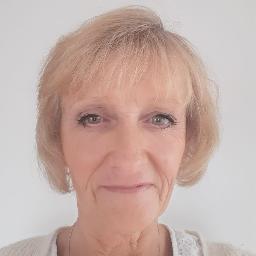
Dawn Redwood
NCPS
Calm client-centred counsellor for life stresses
Opens BetterHelp in a new tab, where you can review online therapy options.
- Person-centred focus
- Trauma-aware approach
- Practical goal work
About Dawn
Her practice draws on a mix of counselling styles learned during integrative training. That background helps her match ways of working to each person’s situation rather than using a single fixed method. Sessions are framed so clients can say what they need and set their own goals.
Dawn has five years of practical counselling experience across private practice and third-sector roles. Her background includes work with employee assistance programmes and a rape centre, which has informed her work with trauma and abuse. She has also completed a research paper on working with people who have felt suicidal.
She describes her main working stance as client-centred, while using elements from solution-focused, psychodynamic, motivational interviewing and trauma-focused approaches when those fit the person’s goals. This lets her combine listening and exploration with more direct problem-solving and safety-focused work.
Dawn aims to create a relaxed atmosphere so people can talk honestly about anger, relationships, self-esteem, sleep problems, parenting strain and other concerns. Her NCPS credential is listed as NCPS. Sessions are offered in English and are provided within the United Kingdom.
Areas of expertise
Primary focus
Also works with
Additional focus areas
Therapeutic approaches
Experience
5+ years
Credentials
United Kingdom
Languages
English
How her approaches translate to online work
Client-Centred Therapy focuses on listening and responding to what the person says. The therapist follows the person’s lead, offers empathy and helps them clarify what they want to change. This approach can be useful for anger, relationship worries and low mood.Trauma-Focused Therapy involves paying attention to safety and patterns that come from past harm. It uses careful pacing and supports people to make sense of difficult memories and reduce their ongoing impact. This can help with PTSD, trauma-related anxiety and intrusive memories.
Motivational Interviewing is a short-term approach that helps when someone feels stuck or unsure about change. It uses questions and reflections to build motivation and practical steps for moving forward, often alongside other work on emotions or behaviour.
Choosing the right approach is part of the work itself. The therapist will discuss options together and adjust methods based on goals, needs and what feels comfortable. That means the way sessions run can change as progress is made.
The original biography does not list specific session formats, so please confirm available options before booking. Online therapy can make it easier to fit sessions into a working day, reduce travel time and allow a quieter check-in when people have limited time. Talk with the therapist about practical arrangements so sessions fit your routine and needs.
At a glance
- Listed location
- United Kingdom
- Experience
- 5+ years
- Credentials
- NCPS
- Languages
- English
- Registration (United Kingdom)
- NCPS · No. NCS17-05684
As listed by the therapist. You can check a registration with the body that issued it.
Frequently asked questions
What kinds of problems does Dawn help with?
She supports people with stress, anger, anxiety, depression and grief, and also works with issues such as trauma, sleep and eating concerns, self-esteem, relationship strain and parenting stress.
How would you describe her therapy style?
Her main stance is client-centred, which means sessions are guided by the person’s needs and goals. She may also use solution-focused ideas, psychodynamic thinking or motivational interviewing where useful.
What experience does she bring to sessions?
She has five years of counselling experience in private practice and with different organisations, including employee assistance programmes and a rape centre, which shaped her trauma work.
Which credential does she hold and where is she based?
She lists the credential NCPS and works in the United Kingdom.
Can I work with her if I live outside the UK?
Sessions are provided in English and international clients are not currently accepted.
What session formats are offered?
The original biography does not specify session formats, so please confirm current options before booking to know whether sessions are online, phone or in person.
How much do sessions cost?
Cost varies with location and therapist availability; sessions use a subscription model that can be cancelled at any time.
How do I begin if I want to work with her?
Select the Start Therapy button, complete the short matching questionnaire, and schedule according to the therapist’s availability.
Before you start
- Online talk therapy is not a court-ordered or mandated anger-management course, and it does not provide attendance certificates.
- Check that the location and registration details above fit where you live.
- If anyone is at risk of being harmed, contact emergency services or a domestic-abuse helpline first. See the support lines for the US, UK and Australia.