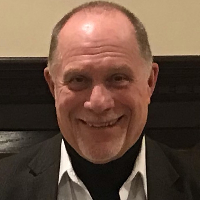
David Spann
LCSW, LISW
Helping people manage anger and life stress
Opens BetterHelp in a new tab, where you can review online therapy options.
- Strength-based approach
- Practical skills focus
- Mindfulness and DBT
About David
He draws on wide clinical experience across outpatient, residential, and hospital settings, including work with service members at a naval hospital. That background shapes his view of how trauma, mental illness, and addiction affect family systems and individual functioning. He also blends his clinical work with experience in leadership, coaching, and organizational dynamics.
In sessions he uses several practical approaches such as cognitive behavioral techniques, dialectical behavior strategies, mindfulness practices, and an attachment-based perspective. He often pairs these with motivational interviewing to support change and with family-systems ideas when appropriate. The goal is to focus on real-life skills clients can apply between sessions.
He describes his overall style as strength-based and solution-focused, with attention to emotional and spiritual growth when clients want that. He has taught crisis intervention for law enforcement and led trainings for families and professionals on grief, communication, boundaries, and anger management. He works with people who are navigating grief, life changes, career questions, and compassion fatigue.
Sessions are scheduled according to the therapist's availability; prospective clients should confirm current options when they begin the intake process.
Areas of expertise
Primary focus
Also works with
Additional focus areas
Therapeutic approaches
Experience
29+ years
Credentials
North Carolina, Ohio
Languages
English
Approaches that guide online work
Attachment-based work looks at how early bonds affect current relationships and coping. It can help people understand patterns in closeness, trust, and reactivity that show up in family or intimate relationships.Cognitive Behavioral Therapy (CBT) focuses on identifying unhelpful thoughts and testing them with practical exercises. It is often used for anxiety, depression, anger, and mood regulation by teaching specific tools to change thinking and behavior.
Dialectical Behavior Therapy (DBT) provides concrete skills for managing intense emotions, improving distress tolerance, and strengthening interpersonal effectiveness. Those skills can be helpful when anger or relationship conflict is frequent.
Finding the right approach is part of the work. The therapist will collaborate with each person to choose methods that match their goals, needs, and day-to-day life. That may mean combining approaches and adjusting techniques over time as progress is made.
Session formats are not specified in the provided biography, so confirm which options are offered before booking. Online therapy can make it easier to fit sessions into a busy week, reduce travel time, and use shorter check-ins when needed. It also allows continuity of care when schedules or locations change, while the therapist and client work together to make sessions practical and goal-focused.
At a glance
- Listed location
- North Carolina
- Experience
- 29+ years
- Credentials
- LCSW, LISW
- Languages
- English
- License (North Carolina)
- LCSW · No. C008137
- License (Ohio)
- LISW · No. I.1700680
- NPI
- 1316224470
As listed by the therapist. You can check a license with the state board and an NPI with the national registry.
Frequently asked questions
What concerns does this therapist address?
Common concerns include anger, addictions, trauma and abuse, grief, anxiety, depression, relationship and intimacy issues, parenting strain, and career or life-change stress.
What is the therapy style like in sessions?
The approach is strength-based and solution-focused, using practical exercises and skill-building. Sessions often include cognitive behavioral techniques, mindfulness, and DBT strategies to manage emotions and behavior.
What kind of experience does the therapist have?
He has 29 years of clinical experience across outpatient, residential, and hospital settings, including work with active duty service members at a naval hospital.
What credentials and location are listed?
The therapist holds LCSW and LISW credentials and practices in North Carolina.
Which languages are supported and can international clients be seen?
Sessions are offered in English. International clients are not currently accepted.
What session formats are available?
Session formats are not specified in the biography; please confirm current session options with the service before scheduling.
How are fees handled?
Cost varies with location and therapist availability, and sessions use a subscription that can be canceled at any time.
How do I begin working with this therapist?
Start by selecting the Start Therapy button, completing a short matching questionnaire, and then scheduling according to the therapist's availability.
Before you start
- Online talk therapy is not a court-ordered or mandated anger-management course, and it does not provide attendance certificates.
- Check that the location and license details above fit where you live.
- If anyone is at risk of being harmed, contact emergency services or a domestic-abuse helpline first. See the support lines for the US, UK and Australia.