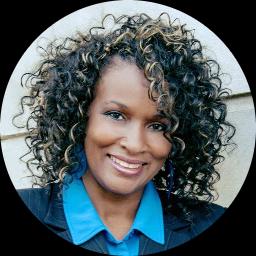
Cynthia Wells
LMHC
Everyday tools for calmer, clearer living
Opens BetterHelp in a new tab, where you can review online therapy options.
- Practical coping skills
- Compassionate listening
- Goal oriented plans
About Cynthia
Areas of expertise
Primary focus
Also works with
Additional focus areas
Therapeutic approaches
Experience
5+ years
Credentials
Florida
Languages
English
Approaches that translate to online work
Cognitive Behavioral Therapy (CBT) focuses on identifying patterns in thoughts and behaviors and experimenting with new ways of responding. It helps with anxiety, depression, and managing strong emotions by teaching concrete skills and small behavior changes. Acceptance and Commitment Therapy (ACT) encourages noticing difficult thoughts and feelings while committing to actions that match personal values. It is useful for stress, worry, and when life changes feel overwhelming. Client-Centered Therapy centers the conversation on the person's experience and rhythm. The therapist listens closely and follows the client's lead to build trust and clarify priorities. Finding the right approach is part of the work together. The therapist will discuss goals and preferences, then suggest which methods to try. Decisions are collaborative and can shift as needs change. Please confirm which session formats are currently offered before booking, as the original profile does not list specific options. Online work can make it easier to fit therapy into a busy week, reduce travel time, allow a shorter check-in during a break, or avoid being on camera when that helps. Licensed professionals can adapt exercises and worksheets for remote sessions so progress continues between meetings.At a glance
- Listed location
- Florida
- Experience
- 5+ years
- Credentials
- LMHC
- Languages
- English
- License (Florida)
- LMHC · No. MH21778
- NPI
- 1477259489
As listed by the therapist. You can check a license with the state board and an NPI with the national registry.
Frequently asked questions
What kinds of issues does Cynthia help with?
She supports people dealing with stress, anger, anxiety, depression, grief, bipolar disorder, addictions, relationship and parenting concerns, ADHD, and related challenges.
What is her general therapeutic style?
Her style is respectful and practical. Conversations are tailored to goals, and she uses teachable skills people can apply between sessions.
How much clinical experience does she have?
She has five years of professional experience working with a range of mood, anxiety, and trauma-related concerns.
What credentials and location are listed?
She holds the LMHC credential and is licensed in Florida.
Can sessions be held in languages other than English or with international clients?
Sessions are offered in English, and international clients are accepted.
What session formats are available?
The original profile does not list specific session formats; please confirm current session options before booking.
How does cost and payment work?
Costs vary with location and therapist availability; sessions use a subscription that can be canceled at any time.
What should I do to begin working together?
Select the Start Therapy button, complete a short matching questionnaire, and schedule according to the therapist's availability.
Before you start
- Online talk therapy is not a court-ordered or mandated anger-management course, and it does not provide attendance certificates.
- Check that the location and license details above fit where you live.
- If anyone is at risk of being harmed, contact emergency services or a domestic-abuse helpline first. See the support lines for the US, UK and Australia.