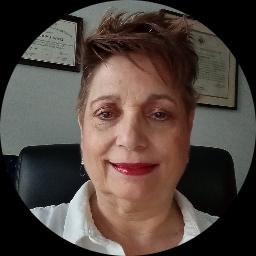
Cynthia Marcolina
LPC
Calm, practical therapy for everyday struggles
Opens BetterHelp in a new tab, where you can review online therapy options.
- Gentle collaborative style
- Practical coping tools
- Creative coping encouraged
About Cynthia
She brings 35 years of experience in a wide range of mental health settings. That background includes individual, marital, group, and family counseling across many diagnoses and age ranges. Cynthia combines client-centered work with cognitive-behavioral and existential ideas to help people notice patterns and make different choices.
Mindfulness techniques are used to anchor people in the present and reduce overwhelming thoughts. Practical exercises often include simple paper-and-pencil work, suggested reading, and creative activities that draw on a person’s strengths. Motivational interviewing ideas help when someone is ready to change habits or address addictions.
In sessions Cynthia focuses on what a person can control and on small steps that build confidence. She talks through concrete ways to self-soothe, whether medication is involved or not. Her style is gentle and respectful, with an emphasis on collaboration and real-world strategies.
People who want to address career stress, grief, family-of-origin issues, or questions about identity and gender can find direct, plainspoken guidance. Cynthia aims to help clients reduce anxiety, improve coping during life changes, and strengthen their sense of purpose and self-love.
Areas of expertise
Primary focus
Also works with
Additional focus areas
Therapeutic approaches
Experience
35+ years
Credentials
Pennsylvania
Languages
English
Approaches that translate well to online work
Client-centered therapy focuses on the relationship in the room. It means the therapist listens without judgment and follows the person’s lead to build understanding and trust. This approach helps with anxiety, self-esteem, grief, and many everyday struggles.Cognitive behavioral therapy, or CBT, looks at how thoughts, feelings, and actions connect. It uses short exercises and homework to change unhelpful thinking and behavior, which is useful for anxiety, anger, mood disorders, and stress. Mindfulness therapy teaches simple attention skills to reduce reactivity and anchor people in the present, which supports managing overwhelming feelings.
Finding the right approach is part of the work. The therapist will collaborate with the person to decide which methods fit best based on goals and preferences. That choice can change as progress is made, and sessions often mix approaches to match real needs.
Confirm the available session formats before booking, since specific options are not listed here. Online therapy can make it easier to fit sessions into a busy life, allow shorter check-ins during a workday, and reduce travel time. It also supports keeping therapy consistent during life transitions while focusing on the same practical exercises and creative activities used in in-person work.
At a glance
- Listed location
- Pennsylvania
- Experience
- 35+ years
- Credentials
- LPC
- Languages
- English
- License (Pennsylvania)
- LPC · No. PC000159
- NPI
- 1649702655
As listed by the therapist. You can check a license with the state board and an NPI with the national registry.
Frequently asked questions
What kinds of concerns does Cynthia help with?
She supports people with stress, anxiety, anger, depression, career issues, addictions, relationship and family concerns, grief, and identity-related struggles including LGBT and gender dysphoria topics.
How would you describe her therapeutic style?
Her style is gentle and collaborative. She uses practical exercises, creative activities, and conversation to help people change unhelpful patterns.
What experience does she bring to therapy?
She has 35 years of experience working in various mental health settings, including individual, marital, group, and family counseling across many diagnoses.
What are her credentials and where is she located?
She is licensed as an LPC in Pennsylvania and practices with that credential in that state.
Are sessions offered in other languages or internationally?
Sessions are offered in English. She does not accept international clients at this time.
What session formats are available?
Please confirm current session options before booking, as the profile does not list specific formats.
How does pricing work for sessions?
Cost varies with location and therapist availability; sessions use a subscription that can be canceled at any time.
How do I get started if I want to work with her?
Use the Start Therapy button, complete a short matching questionnaire, and schedule according to the therapist's availability.
Before you start
- Online talk therapy is not a court-ordered or mandated anger-management course, and it does not provide attendance certificates.
- Check that the location and license details above fit where you live.
- If anyone is at risk of being harmed, contact emergency services or a domestic-abuse helpline first. See the support lines for the US, UK and Australia.