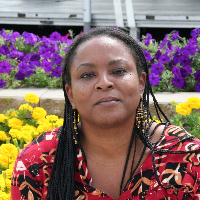
Cynthia Jenkins
LMHP
Experienced LMHP offering practical support
Opens BetterHelp in a new tab, where you can review online therapy options.
- Person-centered care
- Practical skills
- Multicultural perspective
About Cynthia
She has worked in community counseling centers, university settings, and with low-income populations. Cynthia has also taught psychology at universities in Nebraska, Texas, and Missouri, and she trained post-graduate students preparing for board exams in medicine and dentistry.
Cynthia holds a Ph.D. in Social Psychology and has explored social and cultural conflicts across different countries. That background informs her multicultural perspective and helps her understand how social context shapes feelings and behavior. She also spent over 30 years as a licensed massage therapist, which shaped her attention to the body and physical experience.
Her approach is eclectic and person-centered. She draws on client-centered techniques, cognitive behavioral ideas, and elements of dialectical behavior therapy, existential thinking, and Jungian work depending on the person. Sessions focus on practical skills, clearer thinking, and uncovering meaningful personal patterns.
Cynthia enjoys creative arts, travel, and time outdoors, and she brings curiosity about cultural and spiritual differences into sessions. People looking for a thoughtful, experienced clinician who combines life experience with psychological training may find her approach approachable and grounded.
Areas of expertise
Primary focus
Also works with
Additional focus areas
Therapeutic approaches
Experience
34+ years
Credentials
Nebraska
Languages
English
How Cynthia’s Approaches Translate to Online Work
Cognitive Behavioral Therapy (CBT) focuses on spotting and changing unhelpful thinking and behavior patterns. It is practical and often includes homework exercises to try between sessions, which can fit well into an online routine.Client-Centered Therapy emphasizes being heard and respected. The therapist follows the person’s lead and supports self-directed growth, which helps people explore feelings like anger or grief at their own pace.
Dialectical Behavior Therapy (DBT) offers concrete skills for managing strong emotions and improving relationships. Its skills training around emotion regulation and distress tolerance can be useful when someone needs step-by-step tools.
Finding the right approach is collaborative. Cynthia will work with each person to decide which methods suit their goals, needs, and preferences, and she adjusts the plan as therapy progresses.
Confirm current session options before booking, since formats are not specified here. Many people find online sessions helpful for fitting therapy into a busy schedule, reducing commute time, and keeping appointments consistent. Online work also makes it easier to use homework, worksheets, and in-session exercises that build on CBT and DBT skills without changing their practical focus.
At a glance
- Listed location
- Nebraska
- Experience
- 34+ years
- Credentials
- LMHP
- Languages
- English
- License (Nebraska)
- LMHP · No. 1811
- NPI
- 1528106952
As listed by the therapist. You can check a license with the state board and an NPI with the national registry.
Frequently asked questions
What concerns does she help with?
Cynthia supports people coping with stress, anxiety, anger, depression, addictions, trauma, grief, intimacy issues, sleep problems, and career or life transitions.
What is her therapeutic style like?
She takes a person-centered, down-to-earth approach that emphasizes listening and practical steps. Sessions often combine skill-building with exploration of personal meaning.
How long has she practiced?
She brings 34 years of clinical experience working in community centers, universities, and low-income settings, plus teaching and training roles in psychology.
What credential does she hold and where is she located?
She is a licensed mental health practitioner (LMHP) licensed in Nebraska and practices from that state.
Which languages are used in sessions?
Sessions are offered in English.
Are international clients supported?
International clients are not currently accepted.
How are sessions priced?
Cost varies with location and therapist availability, and sessions use a subscription that can be canceled at any time.
How do I begin working with Cynthia?
Click the Start Therapy button, complete a short matching questionnaire, and schedule according to therapist availability.
Before you start
- Online talk therapy is not a court-ordered or mandated anger-management course, and it does not provide attendance certificates.
- Check that the location and license details above fit where you live.
- If anyone is at risk of being harmed, contact emergency services or a domestic-abuse helpline first. See the support lines for the US, UK and Australia.