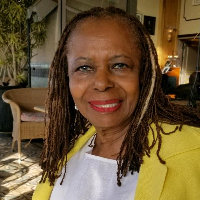
Clymie Allen
LCSW
Experienced LCSW focused on practical change
Opens BetterHelp in a new tab, where you can review online therapy options.
- 40 years experience
- Client-centered care
- CBT methods
About Clymie
She trained at the University of Southern California and holds the Licensed Clinical Social Worker credential. Over her career she has worked in VA hospital settings and in outpatient community clinics. That background shapes a practical, down-to-earth style that emphasizes clear communication and problem solving.
Clymie uses client-centered techniques to follow a person’s lead and to build on their strengths. She also uses cognitive behavioral methods to uncover patterns of thinking that feed stress or anger and to try different, more helpful responses. Sessions are geared toward real-life changes rather than abstract ideas.
Typical concerns she supports include relationship strain, grief, addictions, parenting stress, sleep and eating difficulties, intimacy issues, and coping after trauma. She also has experience with issues like abandonment, blended families, caregiver stress, and navigating chronic illness.
Her approach is practical and collaborative. Clymie listens, helps set achievable goals, and practices new skills together in sessions. She works with people who want clear tools to manage emotions, improve relationships, and handle major life changes.
Areas of expertise
Primary focus
Also works with
Additional focus areas
Therapeutic approaches
Experience
40+ years
Credentials
California, Texas
Languages
English
How her approaches guide online care
Client-Centered Therapy focuses on following the person's lead. The therapist listens, reflects what she hears, and helps people recognize their strengths so they can choose change that feels right. This method is useful for building trust and working through relationship or self-esteem concerns.Cognitive Behavioral Therapy (CBT) looks at how thoughts, feelings, and actions connect. Together they identify unhelpful thinking patterns and practice small changes in thinking and behavior to reduce anxiety, anger, or depressive symptoms. CBT is practical and often includes homework between sessions.
Finding the right approach is part of the work. The therapist will talk with the client about goals and preferences and together they decide which methods to try. That collaborative process helps tailor sessions to each person's needs and life situation.
Online therapy can make it easier to fit sessions into busy days. It can reduce travel time, allow a shorter check-in during a work break, or let someone join from different locations when needed. The original biography lists messaging, phone, and video as offered services; confirm current session options before booking to ensure they match your schedule and preferences. Online sessions still focus on concrete skills, communication practice, and workable steps to manage anger, stress, and other concerns.
At a glance
- Listed location
- California
- Experience
- 40+ years
- Credentials
- LCSW
- Languages
- English
- License (California)
- LCSW · No. 10310
- License (Texas)
- LCSW · No. 54878
- NPI
- 1366579146
As listed by the therapist. You can check a license with the state board and an NPI with the national registry.
Frequently asked questions
What problems does she help with?
Clymie works with issues such as stress, anxiety, depression, anger, addictions, grief, relationship problems, parenting strain, sleep and eating difficulties, and trauma-related concerns.
How would you describe her therapy style?
Her style is practical and client-centered. She listens closely, helps set clear goals, and uses hands-on tools from cognitive behavioral approaches to try different ways of coping.
What experience does she bring?
She has forty years of experience working in VA hospital settings and outpatient community clinics, with adults, children, adolescents, and older adults over her career.
What credentials and location are listed?
The therapist is a Licensed Clinical Social Worker (LCSW) practicing in California, with licensure records noted in both California and Texas.
Which languages are available for sessions?
Sessions are offered in English.
What session formats are offered?
The original biography lists messaging, phone, and video as services offered. Confirm current session options before booking to be sure they meet your needs.
How are fees and payment handled?
Cost varies with location and therapist availability; sessions use a subscription that can be canceled at any time.
How do I begin working with her?
To get started, select the Start Therapy button, complete a short matching questionnaire, and schedule according to the therapist's availability.
Before you start
- Online talk therapy is not a court-ordered or mandated anger-management course, and it does not provide attendance certificates.
- Check that the location and license details above fit where you live.
- If anyone is at risk of being harmed, contact emergency services or a domestic-abuse helpline first. See the support lines for the US, UK and Australia.