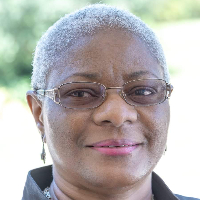
Claudette Gaynor
LMHC
Gentle, practical help for strong emotions
Opens BetterHelp in a new tab, where you can review online therapy options.
- Client-centered
- Mindfulness tools
- Focus on change
About Claudette
Areas of expertise
Primary focus
Also works with
Additional focus areas
Therapeutic approaches
Experience
19+ years
Credentials
Florida
Languages
English
Approaches used online and what they do
Acceptance and Commitment Therapy (ACT) helps people notice painful thoughts without getting stuck in them and then take action guided by personal values. It can be helpful for anger, anxiety, and life transitions where someone wants clearer direction and purpose.Client-Centered Therapy focuses on listening, respect, and supporting a person’s own choices. This approach helps people build self-acceptance and self-compassion while they work through difficult feelings.
Cognitive Behavioral Therapy (CBT) looks at patterns of thinking and behavior and teaches skills to change them. It is often useful for anxiety, depression, anger, and managing stress with clear exercises and practice.
Finding the right approach is part of the work together. The therapist will talk with the client about goals, preferences, and what feels most useful. That collaboration guides which methods and exercises are emphasized in sessions.
Confirm the available session formats before booking, since specific options are not listed in the biography. Online therapy can make it easier to fit appointments into a busy schedule, allow for shorter check-ins during a workday, and reduce travel time. It also makes it possible to use guided mindfulness exercises and video or audio resources between sessions to reinforce skills learned in therapy.
At a glance
- Listed location
- Florida
- Experience
- 19+ years
- Credentials
- LMHC
- Languages
- English
- License (Florida)
- LMHC · No. MH10194
- NPI
- 1861711566
As listed by the therapist. You can check a license with the state board and an NPI with the national registry.
Frequently asked questions
What kinds of concerns does she address?
She works with anger, stress, anxiety, grief, depression, addiction, relationship and intimacy issues, parenting strain, and life transitions among other concerns.
What is her therapeutic style like?
The approach is client-centered with practical exercises. Sessions include mindfulness, homework, and steps to replace old patterns with new behaviors.
How much experience does she have?
She has 19 years of experience working as a mental health professional and has developed an integrated style that includes meditation and mindfulness techniques.
What credentials and location apply?
She is a Florida Licensed Mental Health Counselor (LMHC) and practices from Florida.
Can I work with her if I live outside the United States?
Sessions are offered to international clients; language of service is English.
What session formats are available?
Please confirm current session options before booking, as the biography does not list specific formats.
How does payment and cost work?
Cost varies with location and therapist availability; sessions use a subscription model that can be canceled at any time.
How do I begin working with her?
Click the Start Therapy button, complete a short matching questionnaire, and schedule according to the therapist's availability.
Before you start
- Online talk therapy is not a court-ordered or mandated anger-management course, and it does not provide attendance certificates.
- Check that the location and license details above fit where you live.
- If anyone is at risk of being harmed, contact emergency services or a domestic-abuse helpline first. See the support lines for the US, UK and Australia.