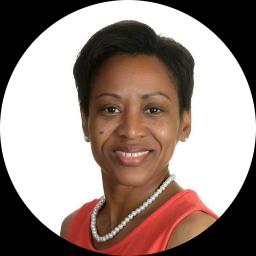
Dr. Cindy George
BACP
Compassionate, practical counselling for everyday struggles
Opens BetterHelp in a new tab, where you can review online therapy options.
- Client-centred care
- Evidence-informed methods
- Relationship focus
About Cindy
Her background includes long experience across clinical and community settings. She has a Ph.D. in Counselling, a Masters in Counselling with a mental health specialism, and a Bachelors in Psychology. She is also registered with the British Association for Counselling and Psychotherapy, listed as BACP.
Sessions aim to improve communication, increase self-awareness, and build coping strategies. She uses Cognitive Behavioural Therapy, Dialectical Behaviour Therapy and Client-Centred approaches alongside narrative and existential ideas to tailor support to each person. This mix is used to address mood concerns, grief, trauma, addictions and eating issues among other challenges.
Dr. George frames therapy around individual goals. She helps clients notice how thoughts affect feelings and behaviour, and practises skills to change unhelpful patterns. She also works on relationship and intimacy concerns, midlife questions, life transitions and career-related stress.
People who choose her can expect a direct but friendly style that focuses on practical change and personal insight. She encourages collaborative planning so that sessions address what matters most to the client.
Areas of expertise
Primary focus
Also works with
Additional focus areas
Therapeutic approaches
Experience
25+ years
Credentials
United Kingdom
Languages
English
How counselling approaches translate to online work
Client-Centred Therapy focuses on listening and understanding the person without judgement; it helps people feel heard and explore what matters to them. Cognitive Behavioural Therapy (CBT) looks at the links between thoughts, feelings and behaviours and uses practical exercises to change unhelpful patterns; it is often used for anxiety, depression and panic. Dialectical Behaviour Therapy (DBT) teaches skills for emotion regulation, distress tolerance and better interpersonal communication which can help with strong anger and mood swings.Finding the right approach is part of the work together. The counsellor will discuss goals, try techniques and adjust the plan based on what helps most. Clients take an active role in choosing methods that fit their needs and day-to-day life.
Please confirm current session options before booking as formats were not specified in the biography. Online counselling can make it easier to fit sessions into a busy schedule, reduce travel time and allow brief check-ins when a shorter support slot is helpful. It also makes it simpler to continue work while managing life changes or when people are based in different locations from the counsellor.
At a glance
- Listed location
- United Kingdom
- Experience
- 25+ years
- Credentials
- BACP
- Languages
- English
- Registration (United Kingdom)
- BACP · No. 392306
As listed by the therapist. You can check a registration with the body that issued it.
Frequently asked questions
What kinds of concerns does this counsellor help with?
She works with stress, anxiety, anger, depression and relationship and intimacy issues, among many other concerns such as trauma, grief and addictions.
What style of therapy can I expect in sessions?
Sessions draw on client-centred practice alongside Cognitive Behavioural Therapy and Dialectical Behaviour Therapy, with narrative and existential ideas used when helpful.
How much experience does the counsellor have?
The counsellor has 25 years of experience across private practice, community mental health, substance abuse centres, hospitals, schools and corporate settings.
What credentials and location are listed for the counsellor?
She holds a Ph.D. in Counselling, a Masters in Counselling and a Bachelors in Psychology, and is registered with BACP in the United Kingdom.
Which languages are available for sessions?
Sessions are offered in English.
Can international clients work with this counsellor?
International clients are accepted according to the provided information.
How does cost and payment work?
Cost varies with location and therapist availability, and sessions use a subscription model that can be cancelled at any time.
How do I begin working with this counsellor?
Use the Start Therapy button, complete a short matching questionnaire, then schedule sessions according to the counsellor's availability.
Before you start
- Online talk therapy is not a court-ordered or mandated anger-management course, and it does not provide attendance certificates.
- Check that the location and registration details above fit where you live.
- If anyone is at risk of being harmed, contact emergency services or a domestic-abuse helpline first. See the support lines for the US, UK and Australia.