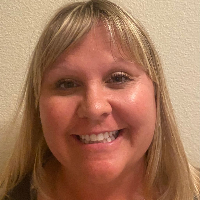
Christine O'Neill
LPC, LCPC
Compassionate counselor focused on practical change
Opens BetterHelp in a new tab, where you can review online therapy options.
- Warm coaching style
- Homework and skills
- Uses gentle humor
About Christine
Her approach is goal oriented and direct, with humor used to soften hard moments and keep perspective. Christine encourages clear, practical steps rather than long lists of theory. She pays attention to mood disorders, career transitions, parenting strains, and the challenges that follow separation or loss.
Clients can expect a conversational tone and practical homework. Christine often invites reflection through written work and actions that build momentum. She helps people break big problems into manageable steps and checks progress in follow up conversations.
Her background includes many years supporting people with addictions, family stress, trauma, and coping with chronic life changes. Christine combines client-centered listening with cognitive-behavioral tools and skills from dialectical behavior therapy when emotion regulation is needed.
Sessions are conducted in English and she accepts international clients. Christine asks new people to complete a short matching questionnaire as a first step, then schedule a time that fits their life. Her goal is to help people move from feeling stuck to making steady, realistic change.
Areas of expertise
Primary focus
Also works with
Additional focus areas
Therapeutic approaches
Experience
18+ years
Credentials
Colorado, Florida, Kansas
Languages
English
Therapeutic approaches and how they work online
Christine frequently draws on client-centered work and cognitive-behavioral therapy. Client-centered therapy focuses on listening closely and following the client's goals, which helps people feel heard while clarifying what they want to change. Cognitive-behavioral therapy looks at how thoughts, feelings, and actions connect and teaches practical skills to shift unhelpful patterns.She also uses elements of dialectical behavior therapy when strong emotions need steadier regulation. DBT skills teach pacing, distress tolerance, and ways to manage intense feelings without acting on them. These approaches together can help with anger, anxiety, addiction, and mood problems.
Finding the right approach is part of the work. The therapist will collaborate with each person to choose methods that match their goals, needs, and preferences. That choice can be adjusted over time as progress is reviewed.
Confirm current session options before booking, since formats were not exhaustively listed in the biography. Messaging approaches were noted as a preference and may allow more time to think before replying. Online therapy can make it easier to fit sessions into a busy life, reduce travel time, and support steady follow up and short check-ins between longer sessions.
At a glance
- Listed location
- Colorado
- Experience
- 18+ years
- Credentials
- LPC, LCPC
- Languages
- English
- License (Colorado)
- LPC · No. 5563
- License (Florida)
- LMHC · No. MH25790
- License (Kansas)
- LCPC · No. LCPC 04021
- NPI
- 1164541827
As listed by the therapist. You can check a license with the state board and an NPI with the national registry.
Frequently asked questions
What concerns does she address most often?
She works with stress, anxiety, anger, addictions, relationship and intimacy issues, grief, depression, ADHD, and coping with life changes among other concerns.
How would you describe her therapeutic style?
Her style is warm, interactive, and goal oriented. She leans toward a coaching approach and assigns small practical tasks between sessions.
What kind of experience does she bring?
She has 18 years of clinical experience working with mood disorders, addictions, family stress, trauma, and life transitions.
What are her credentials and where is she based?
She holds LPC and LCPC credentials and practices from Colorado.
Can sessions be conducted in other languages or internationally?
Sessions are offered in English and she accepts international clients.
What session formats are available?
The original biography notes a preference for messaging and live messaging therapy; confirm current session options before booking.
How does pricing work for sessions?
Cost varies with location and therapist availability, and sessions use a subscription that can be canceled at any time.
What should I do to begin working together?
Select the Start Therapy button, complete a short matching questionnaire, and schedule a time according to the therapist's availability.
Before you start
- Online talk therapy is not a court-ordered or mandated anger-management course, and it does not provide attendance certificates.
- Check that the location and license details above fit where you live.
- If anyone is at risk of being harmed, contact emergency services or a domestic-abuse helpline first. See the support lines for the US, UK and Australia.