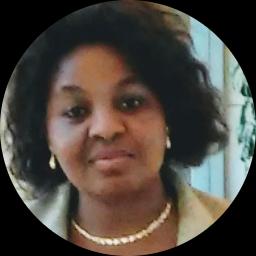
Chinwe Nzerue-Obi
LPC
Goal-focused counseling grounded in practical steps
Opens BetterHelp in a new tab, where you can review online therapy options.
- CBT and solution-focused
- Faith-informed options
- English and Igbo
About Chinwe
Areas of expertise
Primary focus
Also works with
Additional focus areas
Therapeutic approaches
Experience
10+ years
Credentials
Texas
Languages
English, Igbo
How her approaches work in online therapy
Solution-Focused Brief Therapy emphasizes small, practical steps that can change a current problem quickly. It focuses on what is working and on building concrete actions clients can try between sessions. Cognitive Behavioral Therapy helps people notice the thoughts and behaviors that keep problems going and then practice new ways of thinking and acting to reduce symptoms like anger or anxiety.Finding the right approach is collaborative. The therapist will work with each person to choose which methods to try first, adjust the plan as progress is made, and focus on the goals the client identifies. This means methods may be combined or shifted over time based on what is most helpful.
Session formats are not listed here, so confirm the available options before booking. Online therapy can make it easier to fit counseling into a busy week, support follow-up work between meetings, and allow sessions without travel time. It can also make shorter check-ins or scheduled appointments during a workday more practical, depending on the session options offered.
At a glance
- Listed location
- Texas
- Experience
- 10+ years
- Credentials
- LPC
- Languages
- English, Igbo
- License (Texas)
- LPC · No. 73683
- NPI
- 1053954131
As listed by the therapist. You can check a license with the state board and an NPI with the national registry.
Frequently asked questions
What concerns does Chinwe commonly address?
She helps people with anger, anxiety, depression, grief, addictions, relationship problems, parenting stress, self-esteem, and related issues.
What is her therapy style like?
Her style is practical and goal-oriented, focusing on steps clients can use right away and on changing thoughts and behaviors that keep problems going.
How much clinical experience does she have?
Chinwe has ten years of experience working with a range of concerns across ages and cultures.
What credentials and location information are provided?
She is a Licensed Professional Counselor licensed in Texas and completed her master’s degree at the University of Houston Victoria.
Which languages are supported for sessions?
Sessions are offered in English and Igbo.
Can people outside the United States work with her?
International clients are accepted, allowing people outside the U.S. to connect for counseling.
How are fees and payments handled?
Cost varies with location and therapist availability; sessions use a subscription that can be canceled at any time.
What steps should I take to start therapy?
Click the Start Therapy button, complete a short matching questionnaire, and schedule according to therapist availability.
Before you start
- Online talk therapy is not a court-ordered or mandated anger-management course, and it does not provide attendance certificates.
- Check that the location and license details above fit where you live.
- If anyone is at risk of being harmed, contact emergency services or a domestic-abuse helpline first. See the support lines for the US, UK and Australia.