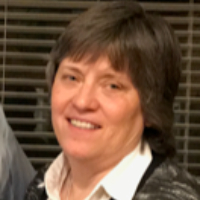
Charlotte Gibbons
LCSW
Compassionate LCSW focused on anger and relationships
Opens BetterHelp in a new tab, where you can review online therapy options.
- Warm and interactive
- Practical skills focused
- Trauma informed
About Charlotte
Charlotte favors a practical, talk-based approach. She listens first to understand each person's history and current struggles. Then she and the client build a plan that targets immediate problems while also exploring longer-term patterns that influence behavior and mood.
Her work blends cognitive-behavioral ideas with dialectical skills and psychodynamic perspectives. Mindfulness techniques are used to help people notice thoughts and body reactions in the moment. Jungian-informed ideas may come into play when exploring personal meaning and life patterns.
Sessions are collaborative and adaptable to what the client needs that week. Charlotte aims to teach tools that can be tried between meetings, such as thought-reframing, grounding practices, and emotion-regulation skills. She avoids stigmatizing labels and focuses on practical steps toward healthier days.
Charlotte brings experience supporting people through grief, family conflict, caregiver stress, and transitions like separation or adoption issues. She encourages honest conversation and offers steady guidance while clients practice new ways of coping.
Areas of expertise
Primary focus
Also works with
Additional focus areas
Therapeutic approaches
Experience
20+ years
Credentials
Utah, California, Oregon
Languages
English
Approaches that guide online sessions
Client-Centered Therapy focuses on a respectful, nonjudgmental conversation where the therapist listens closely and follows each person's lead. This approach helps people feel heard and work through relationship and self-esteem concerns. Cognitive Behavioral Therapy, or CBT, identifies unhelpful thought and behavior patterns and teaches specific skills to change them, which is useful for anger, anxiety, and depression. Dialectical Behavior Therapy, or DBT, emphasizes emotion-regulation, distress tolerance, and interpersonal effectiveness skills to manage strong reactions and relationship conflicts.Choosing the right approach is part of the work. The therapist will help figure out which methods fit best based on a person's goals, preferences, and immediate needs. Sessions are collaborative, and techniques can be adjusted as progress is made.
The original profile does not specify which online session formats are offered, so confirm current options before booking. Online sessions can make it easier to fit therapy into a busy life, reduce travel time, and allow more flexible scheduling. Some formats also allow shorter check-ins or phone conversations when less screen time is helpful. Discuss format preferences when scheduling so sessions match practical needs and therapeutic goals.
At a glance
- Listed location
- Utah
- Experience
- 20+ years
- Credentials
- LCSW
- Languages
- English
- License (Utah)
- LCSW · No. 138698-3501
- License (California)
- LCSW · No. 99062
- License (Oregon)
- LCSW · No. L12971
- NPI
- 1699005751
As listed by the therapist. You can check a license with the state board and an NPI with the national registry.
Frequently asked questions
What concerns does Charlotte address?
She helps people with anger, relationship and family problems, trauma and abuse, parenting struggles, depression, anxiety, addictions, grief, and related concerns.
How would you describe her therapy style?
Her style is warm and interactive. She listens carefully, offers practical tools, and works collaboratively to tailor sessions to each person's needs.
What is her clinical background?
She has 20 years of experience working with trauma, family and cultural issues and a broad range of mental health concerns.
What credential and location are listed?
She is a Licensed Clinical Social Worker (LCSW) licensed in Utah.
Which languages are supported and can international clients connect?
Sessions are offered in English, and she accepts international clients.
What session formats are available?
The original profile does not list specific session formats, so please confirm current session options before booking.
How are fees handled?
Cost varies with location and therapist availability; sessions use a subscription that can be canceled at any time.
How do I begin working with her?
Click the Start Therapy button, complete a short matching questionnaire, and schedule according to the therapist's availability.
Before you start
- Online talk therapy is not a court-ordered or mandated anger-management course, and it does not provide attendance certificates.
- Check that the location and license details above fit where you live.
- If anyone is at risk of being harmed, contact emergency services or a domestic-abuse helpline first. See the support lines for the US, UK and Australia.