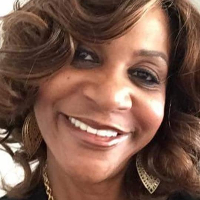
Celeste Bozeman
LPCC
Calm-focused, practical counseling for life changes
Opens BetterHelp in a new tab, where you can review online therapy options.
- Warm and interactive
- Practical tools
- Values-based work
About Celeste
Her work is straightforward and interactive. Sessions are warm, respectful, and nonjudgmental. She draws on approaches that center the client’s goals and values while teaching tangible tools for coping with anxiety, anger, and grief.
Clients come for many reasons, including addiction, trauma and abuse, relationship and intimacy concerns, parenting strain, career shifts, depression, compassion fatigue, and ADHD. She also helps people facing family-of-origin issues, codependency, body-image and caregiver stress. The goal is to reduce distress and help people make decisions that match their values.
Her methods include Acceptance and Commitment Therapy, cognitive-behavioral techniques, Dialectical Behavior Therapy skills, emotionally-focused work, and a client-centered stance. Those approaches are blended to fit what each person needs rather than using one fixed method.
Sessions emphasize clear steps, homework that actually fits into daily life, and learning skills for managing emotions like anger and frustration. She partners with clients to set realistic goals and track progress over time.
Areas of expertise
Primary focus
Also works with
Additional focus areas
Therapeutic approaches
Experience
18+ years
Credentials
Ohio
Languages
English
How therapeutic approaches guide online work
Acceptance and Commitment Therapy (ACT) helps people notice painful thoughts and feelings without letting those experiences drive every choice. It focuses on clarifying personal values and taking concrete steps toward them, which can help with anger, anxiety, and life changes.Cognitive Behavioral Therapy (CBT) looks at links between thoughts, feelings, and actions. It teaches skills to spot unhelpful thinking patterns and try different behaviors, which is useful for depression, anxiety, and stress management.
Finding the right approach is part of the work. The therapist will discuss goals and preferences and then pick or combine approaches that fit the person’s situation. That collaboration means methods may change as needs shift.
Confirm the current online session options before booking so you know which formats are available. Online work can make it easier to fit sessions into a busy routine, shorten check-ins when needed, and reduce travel time. It also lets people practice skills and complete homework between sessions in real-life settings, so learning transfers directly to daily life.
At a glance
- Listed location
- Ohio
- Experience
- 18+ years
- Credentials
- LPCC
- Languages
- English
- License (Ohio)
- LPCC · No. E.1500007-SUPV
- NPI
- 1205172566
As listed by the therapist. You can check a license with the state board and an NPI with the national registry.
Frequently asked questions
What kinds of concerns does she address?
She helps people facing stress, anxiety, trauma and abuse, grief, anger, depression, addictions, relationship and family problems, parenting strain, career transitions, ADHD, and related issues.
What is her therapy style like?
The approach is interactive, empathetic, and nonjudgmental. Sessions focus on practical steps, coping skills, and work that matches each person’s values.
How long has she been practicing?
She has 18 years of experience in mental and behavioral health and as a career and life coach.
What are her credentials and where is she based?
She is an Ohio LPCC, which stands for Licensed Professional Clinical Counselor, and she practices in Ohio.
Does she offer sessions in other languages or to international clients?
Sessions are offered in English and she is not accepting international clients at this time.
What session formats are available?
Please confirm current session options before booking to learn which formats are offered for scheduling and participation.
How does payment and cost work?
Cost varies with location and therapist availability; sessions use a subscription that can be canceled at any time.
How do I begin working together?
Select the Start Therapy button, complete the short matching questionnaire, and schedule according to the therapist’s availability.
Before you start
- Online talk therapy is not a court-ordered or mandated anger-management course, and it does not provide attendance certificates.
- Check that the location and license details above fit where you live.
- If anyone is at risk of being harmed, contact emergency services or a domestic-abuse helpline first. See the support lines for the US, UK and Australia.