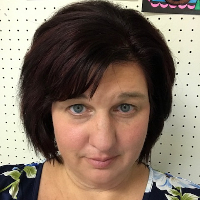
Cathy O'Brien
LMSW
Compassionate, practical care for life’s hard moments
Opens BetterHelp in a new tab, where you can review online therapy options.
- Client-centered
- Skill focused
- Goal oriented
About Cathy
She builds therapy around a trusting relationship and begins by listening carefully. Cathy emphasizes respect, sensitivity, and empathy so people feel more comfortable talking about difficult topics. She often helps clients learn stress management and coping skills they can use between sessions.
Cathy draws on client-centered methods and cognitive behavioral ideas to help people notice patterns and try new behaviors. She also uses emotionally focused techniques to look at feelings and motivational interviewing to support change. Mindfulness practices are offered to help manage anxiety and strong emotions.
Her background includes work in schools and clinics and experience supporting people who have faced trauma, grief, eating concerns, ADHD, and mood challenges. Cathy has previously provided both in-person and virtual care and tailors sessions to each person’s needs.
She encourages people to see challenges as calls to action rather than insurmountable problems. Cathy aims to make the first steps feel achievable and works collaboratively to set clear, practical goals. If someone is ready to begin, she supports them in moving forward one step at a time.
Areas of expertise
Primary focus
Also works with
Additional focus areas
Therapeutic approaches
Experience
6+ years
Credentials
Michigan
Languages
English
How Cathy’s Approaches Translate to Online Work
Client-centered therapy focuses on understanding each person’s experience and responding without judgment. In online conversations this means the therapist listens closely and follows the client’s priorities to guide sessions in ways that feel most useful.Cognitive Behavioral Therapy, or CBT, looks at the links between thoughts, feelings, and behaviors and uses practical exercises to change unhelpful patterns. Online sessions can include exercises, homework, and step-by-step plans to practice between meetings.
Emotionally-Focused Therapy helps people identify and work through strong emotions so they can respond differently in stressful moments. That work translates into talking through feelings, naming patterns, and practicing new emotional responses during sessions.
Finding the right approach is part of the process, and Cathy works together with each person to decide which methods fit best. She will discuss goals, preferences, and what feels most manageable, then adjust techniques as therapy progresses.
If you are considering online therapy, confirm the available session formats before booking so you know what to expect. Online work can make it easier to fit appointments into a busy day, allow brief check-ins when schedules are tight, and reduce travel time. Discuss practical needs with the therapist and she will help shape sessions that fit everyday life.
At a glance
- Listed location
- Michigan
- Experience
- 6+ years
- Credentials
- LMSW
- Languages
- English
- License (Michigan)
- LMSW · No. 6801093174
- NPI
- 1639592355
As listed by the therapist. You can check a license with the state board and an NPI with the national registry.
Frequently asked questions
What concerns does Cathy commonly address?
Cathy works with a wide range of concerns including stress, anxiety, anger, depression, trauma and abuse, grief, eating issues, parenting stress, self-esteem, career challenges, bipolar symptoms, ADHD, and coping with life changes.
What is her overall therapy style?
Her style is warm and practical, focused on listening first and building trust. She blends client-centered work with behavioral tools and emotion-focused techniques to help people try new ways of coping.
What experience does she bring to sessions?
Cathy has six years of clinical experience and a broader history working in schools and clinics. That background includes supporting people who have experienced trauma, grief, and mood disorders.
What are her credentials and where is she located?
She holds an LMSW, which stands for Licensed Master Social Worker, and practices in Michigan.
Which languages are supported during sessions?
Sessions are offered in English.
Are international clients accepted?
She is not accepting international clients at this time.
How are sessions paid for and what does it cost?
Cost varies with location and therapist availability; sessions use a subscription that can be canceled at any time.
How do I begin working with Cathy?
To get started, select the Start Therapy button, complete a short matching questionnaire, and schedule according to the therapist's availability.
Before you start
- Online talk therapy is not a court-ordered or mandated anger-management course, and it does not provide attendance certificates.
- Check that the location and license details above fit where you live.
- If anyone is at risk of being harmed, contact emergency services or a domestic-abuse helpline first. See the support lines for the US, UK and Australia.