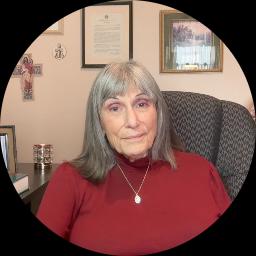
Rev. Catherine Bogue
LCSW
Compassionate support for strong emotions
Opens BetterHelp in a new tab, where you can review online therapy options.
- Experienced LCSW
- Practical coping skills
- Trauma informed care
About Catherine
Clients find straightforward, steady support rather than quick fixes. Sessions focus on building practical skills for coping, managing strong feelings, and repairing strained relationships. Catherine uses clear techniques drawn from several therapeutic traditions to help people make sense of painful experiences and reduce their impact.
Her background includes long work with veterans, older adults, and those facing midlife transitions, which informs how she talks about loss and resilience. She also has experience addressing domestic violence, sexual assault recovery, and process addictions, and she pays attention to how guilt and shame affect choices.
Catherine combines listening with active tools people can try between sessions. She works to create a calm space where someone can describe their story, test new behaviors, and practice different ways of responding to triggers. Progress is paced to fit each person’s circumstances.
Sessions can include helping a person manage parenting stress, navigate divorce or blended family issues, or cope with grief and end-of-life concerns. She communicates in English and accepts international clients who want to work with a Missouri LCSW.
Areas of expertise
Also works with
Additional focus areas
Therapeutic approaches
Experience
47+ years
Credentials
Missouri
Languages
English
How therapeutic approaches work in online care
Acceptance and Commitment Therapy (ACT) focuses on noticing thoughts and feelings without getting stuck in them, then choosing actions that match personal values. It can help when anger or anxiety keeps someone from doing what matters to them. Cognitive Behavioral Therapy (CBT) looks at how thoughts, feelings, and actions connect and offers simple exercises to change unhelpful patterns. CBT is useful for managing panic, low mood, and addictive behaviors. Client-Centered Therapy centers the person’s experience and emphasizes listening and empathy so people feel understood as they make changes.Choosing the right approach is part of the work together. The therapist will talk with each client about goals, preferences, and what feels most useful. That conversation guides whether sessions lean more on ACT, CBT, or a client-centered stance, and adjustments happen as progress is tracked.
The therapist’s profile does not list specific session formats, so confirm available options before booking. In general, online therapy can make it easier to fit sessions into a busy day, avoid travel, and maintain continuity after a move. It also allows shorter check-ins when needed and makes it possible to practice skills in real-life settings between meetings. Licensed professionals adapt tools used in person so they work in an online setting as well.
At a glance
- Listed location
- Missouri
- Experience
- 47+ years
- Credentials
- LCSW
- Languages
- English
- License (Missouri)
- LCSW · No. 003607
- NPI
- 1194831180
As listed by the therapist. You can check a license with the state board and an NPI with the national registry.
Frequently asked questions
What concerns does she commonly help with?
She supports people facing anger, stress, anxiety, depression, grief, trauma, and addiction. Other focuses include parenting strain, intimacy issues, and compassion fatigue.
How would you describe her style in sessions?
The style is steady and practical, combining attentive listening with hands-on skills. Sessions aim to clarify problems and build tools people can use between meetings.
What kind of experience does she bring?
She has 47 years of clinical experience working with a wide range of life challenges, including midlife transitions and veteran-related concerns.
What credentials and location are listed?
She holds a Licensed Clinical Social Worker credential, listed as MO LCSW, and practices from Missouri.
Which languages are supported for sessions?
Sessions are offered in English, and she accepts international clients who wish to work with a Missouri LCSW.
What session formats are available?
The original profile does not specify session formats. Confirm current session options before booking to make sure they fit your needs.
How are sessions paid for?
Cost varies with location and therapist availability; sessions use a subscription that can be canceled at any time.
How do I begin working with her?
Select the Start Therapy button, complete a short matching questionnaire, and schedule according to therapist availability.
Before you start
- Online talk therapy is not a court-ordered or mandated anger-management course, and it does not provide attendance certificates.
- Check that the location and license details above fit where you live.
- If anyone is at risk of being harmed, contact emergency services or a domestic-abuse helpline first. See the support lines for the US, UK and Australia.