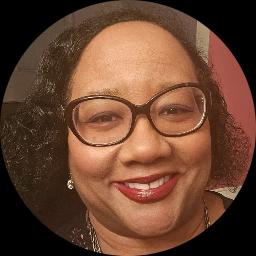
Caroline Murray
LCMHC
Practical, steady support for managing strong emotions
Opens BetterHelp in a new tab, where you can review online therapy options.
- Client-centered care
- Skills-focused sessions
- Mindfulness informed
About Caroline
Her style is client-centered and rooted in common-sense strategies. Sessions emphasize clear goals, steady skill building, and simple tools people can use between meetings. She uses techniques from Cognitive Behavioral Therapy and Dialectical Behavior Therapy to address unhelpful thoughts and teach emotional regulation skills.
Caroline also draws on Acceptance and Commitment Therapy and mindfulness practices to help people notice what matters most. These methods support values-focused action and staying present during stress. She blends approaches to match each person's needs rather than relying on a single method.
Over two decades she has worked with people dealing with grief, chronic health challenges, caregiver stress, and addiction recovery concerns. Caroline helps clients untangle communication problems, control issues, guilt, and shame so they can move forward. Her experience includes supporting those facing divorce, major illness, and role changes at work or home.
She creates a warm, nonjudgmental space where clients are heard and respected. People leave with practical strategies and clearer next steps they can try between sessions. To begin, readers can use the site's Start Therapy flow to complete a short matching questionnaire and schedule a first appointment.
Areas of expertise
Primary focus
Also works with
Additional focus areas
Therapeutic approaches
Experience
20+ years
Credentials
North Carolina
Languages
English
How therapeutic approaches translate to online sessions
Acceptance and Commitment Therapy (ACT) helps people clarify what matters to them and take action toward those values even when emotions are difficult. It is often useful for stress, anxiety, and coping with life changes. Cognitive Behavioral Therapy (CBT) focuses on identifying and changing unhelpful thoughts and behaviors, and it is commonly used for anxiety, anger, and self-esteem work. Mindfulness Therapy teaches simple present-moment awareness skills that support emotion regulation and reduce reactivity.Choosing the right approach is a collaborative process. The therapist will discuss goals, preferences, and daily realities to find methods that fit. Sessions can combine elements from different approaches so the work matches what the client needs in a given week.
Please confirm current session options before booking, as the biography does not specify formats. Online therapy can make it easier to fit appointments into a busy week, reduce travel time, and offer continuity when life is unpredictable. It also allows brief check-ins when a full in-person visit would be difficult, and it supports using digital worksheets and mindfulness practices between sessions. Talk with the therapist during the matching process to clarify how therapy will be scheduled and delivered.
At a glance
- Listed location
- North Carolina
- Experience
- 20+ years
- Credentials
- LCMHC
- Languages
- English
- License (North Carolina)
- LCMHC · No. 6609
- NPI
- 1164629457
As listed by the therapist. You can check a license with the state board and an NPI with the national registry.
Frequently asked questions
What concerns does she help with?
She helps people address stress, anxiety, anger, low self-esteem, career strain, relationship concerns, and coping with life changes. Additional areas include caregiver stress, chronic illness, addiction, guilt, and communication problems.
What is her therapeutic approach like?
Her approach is client-centered and practical, using a mix of methods to build skills and insight. She focuses on clear goals, emotional regulation, and tools people can use between sessions.
How much clinical experience does she have?
She has 20 years of experience working in clinical settings and private practice in North Carolina. That background includes helping people through major life changes and chronic health or caregiving challenges.
What credentials and region apply?
She is an LCMHC, which stands for Licensed Clinical Mental Health Counselor, practicing in North Carolina.
Which languages are supported?
Sessions are offered in English.
Can international clients work with her?
International clients are not currently accepted.
How are session fees handled?
Cost varies with location and therapist availability; sessions use a subscription that can be canceled at any time.
What are the first steps to start therapy?
Select the Start Therapy button, complete a short matching questionnaire, and then schedule according to the therapist's availability.
Before you start
- Online talk therapy is not a court-ordered or mandated anger-management course, and it does not provide attendance certificates.
- Check that the location and license details above fit where you live.
- If anyone is at risk of being harmed, contact emergency services or a domestic-abuse helpline first. See the support lines for the US, UK and Australia.