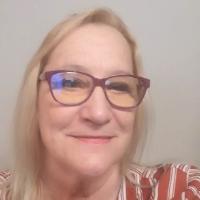
Carole LaFreniere
LCSW, CSW
Practical, collaborative therapy for life challenges
Opens BetterHelp in a new tab, where you can review online therapy options.
- Collaborative goal setting
- Strengths focused
- Evening and weekend slots
About Carole
She earned a Master of Social Work and has eight years of experience in mental health settings, including work with inpatient psychiatric patients and community clients. Carole emphasizes the relationship between client and therapist as the foundation of change. She describes her style as collaborative and nonjudgmental and says she brings warmth and a sense of humor to sessions.
Her approach draws on several methods such as cognitive behavioral techniques, acceptance and commitment ideas, client-centered practices, EMDR, and mindfulness. She likes to design treatment plans that fit each person's goals and daily life. Sessions focus on building strengths, identifying workable changes, and practicing new ways of handling stress and strong emotions.
Carole schedules some evening and weekend appointments to fit working adults' routines. Prospective clients complete a short matching questionnaire to begin, then schedule according to availability. She offers sessions in English and does not take international clients.
People who want practical tools and a respectful, down-to-earth therapist may find her style helpful for navigating anger, trauma, mood struggles, or major life transitions.
Areas of expertise
Also works with
Additional focus areas
Therapeutic approaches
Experience
8+ years
Credentials
Kansas, Colorado, New Hampshire, Wisconsin
Languages
English
How therapy approaches translate to online care
Acceptance and Commitment Therapy (ACT) helps people notice difficult thoughts and feelings while clarifying what matters most to them, then taking action toward those values. It can be useful for anxiety, anger, depression, and life transitions. Cognitive Behavioral Therapy (CBT) focuses on identifying unhelpful thoughts and patterns, then practicing new ways of thinking and behaving to reduce distress and improve everyday functioning. Mindfulness-based work teaches simple attention and breathing skills to reduce reactivity and increase present-moment awareness, which often helps with stress and strong emotions.Finding the right approach is a collaborative process. The therapist will talk with each person about goals, preferences, and how symptoms show up in daily life. From there she tailors techniques and checks in over time to see what is working and what should change.
Session formats are not specified in the profile, so confirm current options before booking. Online therapy can make it easier to fit sessions into busy schedules, allow shorter check-ins when needed, and avoid travel time. It also lets people use tools like worksheets and in-the-moment practice during a week, so skills learned in sessions can be applied to real-life situations more readily.
At a glance
- Listed location
- Wisconsin
- Experience
- 8+ years
- Credentials
- LCSW, CSW
- Languages
- English
- License (Kansas)
- LSCSW · No. LSCSW 05454
- License (Colorado)
- LCSW · No. CSW.09930309
- License (New Hampshire)
- LCSW · No. 3900
- License (Wisconsin)
- LCSW · No. 12247-123
- NPI
- 1326667288
As listed by the therapist. You can check a license with the state board and an NPI with the national registry.
Frequently asked questions
What concerns does she help with?
She works with a wide range of concerns including stress, anxiety, trauma and abuse, grief, self-esteem, depression, addictions, anger, relationship and intimacy issues, parenting and career questions.
What is her therapeutic style?
Her style is collaborative and client-centered, blending cognitive behavioral ideas, acceptance and commitment approaches, EMDR, and mindfulness to match each person's needs.
How much clinical experience does she have?
She has eight years of experience in the mental health field, including work with inpatient psychiatric patients and individual clients in the community.
What credentials and location are listed?
She holds LCSW and CSW credentials and practices from Wisconsin as noted in her profile.
Which languages are sessions offered in?
Sessions are offered in English.
Are international clients accepted?
She is not currently accepting international clients.
How are sessions scheduled and what does cost look like?
Cost varies with location and therapist availability; sessions use a subscription model that can be canceled at any time.
How do I begin working with her?
Select the Start Therapy button, complete a short matching questionnaire, and then schedule sessions based on the therapist's availability.
Before you start
- Online talk therapy is not a court-ordered or mandated anger-management course, and it does not provide attendance certificates.
- Check that the location and license details above fit where you live.
- If anyone is at risk of being harmed, contact emergency services or a domestic-abuse helpline first. See the support lines for the US, UK and Australia.