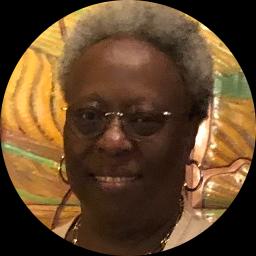
Carol Kennerly
LCMHC
Practical, values-focused help for everyday challenges
Opens BetterHelp in a new tab, where you can review online therapy options.
- Values based approach
- Goal oriented
- Practical tools
About Carol
Carol uses short, direct conversations and goal-focused work to address everyday problems. She draws on approaches that emphasize values, present-moment choices, and workable skill building. Sessions often center on what is most urgent for the person that week, then map small steps to try between meetings.
Her background includes over a decade in mental health work and a range of settings supporting people with trauma, low self-esteem, depression, relationship strain, parenting stress, and attention difficulties. She has experience with children and teens who have faced traumatic events, and she also helps people dealing with grief, career shifts, and addictive behaviors.
In the room, Carol uses straightforward tools from Acceptance and Commitment Therapy, Cognitive Behavioral Therapy, and solution-focused ideas. She pays attention to daily routines like sleep and eating because small changes there can make a big difference. The work is collaborative - she listens first and then helps design practical next steps.
People who value clear, compassionate guidance and short-term, goal-oriented work may find her approach helpful. If you want a therapist who will notice your strengths and help you try concrete changes, Carol offers that style of support.
Areas of expertise
Primary focus
Also works with
Additional focus areas
Therapeutic approaches
Experience
11+ years
Credentials
North Carolina
Languages
English
Approaches that translate to online work
Carol commonly uses Acceptance and Commitment Therapy, which helps people clarify personal values and take small actions that match those values even when feelings are difficult. That approach can help with anger, anxiety, motivation, and coping with life changes. She also draws on Cognitive Behavioral Therapy, which focuses on identifying unhelpful thought patterns and testing new behaviors to reduce symptoms like depression, anxiety, and sleep problems. Solution-Focused Therapy appears in her work as well, offering brief, practical goal-setting and steps that people can try between sessions.Finding the right approach is a collaborative process. The therapist listens to what matters most to the client, then suggests approaches that fit the person's goals and preferences. Over the first few meetings she will check in and adjust the plan based on what works and what feels useful.
If you are considering online therapy, confirm the current session options before booking so you know what formats are offered. Online work can make it easier to fit sessions into a busy day, limit travel time, or allow shorter check-ins when schedules are tight. Many people find that values-focused work, cognitive skills practice, and solution-focused planning move forward well in remote sessions when the format fits their routine.
At a glance
- Listed location
- North Carolina
- Experience
- 11+ years
- Credentials
- LCMHC
- Languages
- English
- License (North Carolina)
- LCMHC · No. 11838
- NPI
- 1871968776
As listed by the therapist. You can check a license with the state board and an NPI with the national registry.
Frequently asked questions
What kinds of concerns does this therapist address?
Carol helps people with anger, stress, anxiety, depression, relationship and intimacy issues, trauma and abuse, low self-esteem, addictions, grief, sleep and eating concerns, parenting strain, career changes, bipolar challenges, ADHD, and related issues.
What is the therapy style like during sessions?
Sessions are conversational and goal-focused with practical steps to try between meetings. The work mixes acceptance, values-based choices, skills for changing unhelpful thoughts and behaviors, and short solution-focused planning.
How much experience does the therapist have?
The therapist has 11 years of experience in mental health work across a variety of settings supporting people with trauma, mood concerns, and everyday life stressors.
What credentials and location are listed for this provider?
Carol carries the credential LCMHC, which stands for Licensed Clinical Mental Health Counselor, and is based in North Carolina.
Which languages are sessions offered in?
Sessions are offered in English.
Are sessions available to people outside the United States?
International clients are not currently accepted.
How are costs and billing handled?
Cost varies with location and therapist availability; sessions use a subscription that can be canceled at any time.
How do I begin working with this therapist?
To get started, select the Start Therapy button, complete a short matching questionnaire, and schedule sessions according to the therapist's availability.
Before you start
- Online talk therapy is not a court-ordered or mandated anger-management course, and it does not provide attendance certificates.
- Check that the location and license details above fit where you live.
- If anyone is at risk of being harmed, contact emergency services or a domestic-abuse helpline first. See the support lines for the US, UK and Australia.