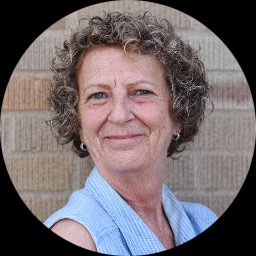
Candice Yeargin
LCPC
Compassionate, practical therapy for everyday struggles
Opens BetterHelp in a new tab, where you can review online therapy options.
- Person-centered care
- Evidence-informed tools
- Collaborative planning
About Candice
She works collaboratively, with the client guiding goals and the pace of work. Sessions focus on identifying what the client wants to change and building small, doable steps toward those goals. Challenging topics may come up, and she stays alongside clients through that work.
Her approach blends several methods rather than following one fixed style. Cognitive Behavioral Therapy and trauma-focused techniques are commonly used alongside client-centered and attachment-based ideas. Motivational interviewing and solution-focused strategies are also part of the mix when they fit the person's needs.
Candice brings about 20 years of clinical experience and a background in community counseling. She holds a master’s degree in Education with a focus on community counseling and an LCPC credential from Illinois. Over the years she has supported people facing stress, anxiety, addictions, relationship struggles, grief, parenting challenges, anger, and life transitions.
Outside of work she enjoys reading and playing golf, and she shares her home with two pets. She invites prospective clients to consider whether her style feels like a match before starting work together.
Areas of expertise
Primary focus
Also works with
Additional focus areas
Therapeutic approaches
Experience
20+ years
Credentials
Illinois
Languages
English
Approaches that shape online work
Many clients find Cognitive Behavioral Therapy useful for spotting unhelpful thoughts and testing new behaviors; CBT often helps with anxiety, depression, and problems like anger or stress. Attachment-Based Therapy looks at how early relationships affect current patterns and can help people rebuild trust and improve communication. Client-Centered Therapy focuses on the person in front of the therapist, using empathy and respect to let people set their own goals and pace.Finding the right approach is part of the process. The therapist will work collaboratively to pick methods that match the client's goals, needs, and preferences. That may mean trying a few approaches and adjusting based on what helps most.
The biography did not list specific online session formats, so please confirm current options before booking. In general, online work can make it easier to fit sessions into a busy life, allow shorter check-ins when needed, and let people choose interactions that suit their energy level. Licensed professionals can carry out CBT, attachment-focused work, and client-centered conversations effectively in remote settings when formats match the client's needs.
At a glance
- Listed location
- Illinois
- Experience
- 20+ years
- Credentials
- LCPC
- Languages
- English
- License (Illinois)
- LCPC · No. 180003699
- NPI
- 1265628150
As listed by the therapist. You can check a license with the state board and an NPI with the national registry.
Frequently asked questions
What concerns does she commonly address?
She helps people with stress, anxiety, addictions, depression, trauma and abuse, anger, grief, relationship and family issues, parenting stress, bipolar concerns, ADHD, and related life changes.
What is her therapeutic style like?
Her style is open and direct while staying compassionate and non-judgmental. She blends client-centered work with cognitive behavioral and trauma-informed techniques to match each person's needs.
How long has she been practicing?
She has around 20 years of clinical experience since receiving licensure in 1999 and has worked in community counseling settings during that time.
Where is she licensed to practice?
She is licensed as an Illinois LCPC, which means she holds a Licensed Clinical Professional Counselor credential in Illinois.
Which languages are supported for sessions?
Sessions are offered in English and she also accepts international clients.
What session formats are available?
The original biography did not specify session formats; please confirm current session options with the platform before booking.
How does billing and cost work?
Cost varies with location and therapist availability and sessions use a subscription that can be canceled at any time.
What do I do to begin therapy with her?
Select the Start Therapy button, complete a short matching questionnaire, and schedule according to therapist availability.
Before you start
- Online talk therapy is not a court-ordered or mandated anger-management course, and it does not provide attendance certificates.
- Check that the location and license details above fit where you live.
- If anyone is at risk of being harmed, contact emergency services or a domestic-abuse helpline first. See the support lines for the US, UK and Australia.