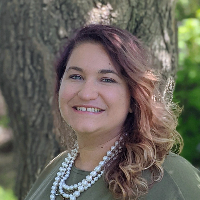
Brittany Schwarten
LCSW
Practical tools with an honest, supportive guide
Opens BetterHelp in a new tab, where you can review online therapy options.
- Goal oriented
- Direct and empathetic
- Resource focused
About Brittany
Brittany has worked in private practice, school-based therapy services, and higher-level care settings. She has run DBT group therapy, social skills groups for children, and parent psychoeducation groups. That variety informs how she matches techniques to real-life problems.
Her approach is direct and honest. She will challenge clients when needed and also prioritize trust and empathy. Brittany emphasizes that people are more than their problems and encourages clients to see themselves that way too.
In sessions she mixes methods from different psychotherapy approaches to fit each person. She uses tools aimed at mind, body, and emotional balance and shares resources when helpful. This can include strategies for stress, anxiety, trauma, depression, anger, ADHD, and relationship concerns.
Brittany supports work on issues like abandonment, codependency, communication problems, obsessions and compulsions, self-harm, and self-love. She also addresses parenting stress, intimacy-related issues, career questions, and compassion fatigue. Her style suits people who want practical skills with clear goals.
She offers services from Wisconsin and works in English. International clients are accepted. Prospective clients should confirm current session options before booking.
Areas of expertise
Primary focus
Also works with
Additional focus areas
Therapeutic approaches
Experience
11+ years
Credentials
Wisconsin
Languages
English
How these approaches translate to online therapy
Attachment-Based Therapy focuses on relationships and safety in the therapeutic connection. It helps people notice how early bonds shape current reactions and supports building steadier ways of relating. Client-Centered Therapy centers the person as the expert on their life and uses listening and empathy to help people find their own solutions. Cognitive Behavioral Therapy, or CBT, looks at simple links between thoughts, feelings, and actions and teaches practical skills to change unhelpful patterns.Finding the right approach is a collaborative process. The therapist will talk with each person about their goals and preferences and then try methods that fit those needs. Sessions can shift over time as priorities change, and Brittany draws from different approaches to meet what feels most useful.
The biography does not list specific session formats, so confirm available options before booking. Online therapy can make it easier to fit appointments into a busy week, reduce travel time, and allow shorter check-ins when a full in-person session isn't possible. It can also let someone continue work between in-person visits and apply skills where they live. Talk with the therapist during the matching step to learn which session arrangements are offered and which will best match daily routines and goals.
At a glance
- Listed location
- Wisconsin
- Experience
- 11+ years
- Credentials
- LCSW
- Languages
- English
- License (Wisconsin)
- LCSW · No. 9620-123
- NPI
- 1457804833
As listed by the therapist. You can check a license with the state board and an NPI with the national registry.
Frequently asked questions
What concerns does this therapist address?
Brittany works with a wide range of concerns including stress, anxiety, trauma and abuse, depression, anger, ADHD, and relationship or intimacy-related issues. She also addresses parenting strain, career stress, and compassion fatigue.
How does she approach therapy?
Her style is direct and goal-oriented while remaining empathetic. She blends techniques from different therapies to match the client's needs and offers practical tools for everyday life.
What is her professional background?
She brings eleven years of clinical experience across private practice, school-based therapy, and higher levels of care. She has facilitated DBT groups, social skills groups for children, and parent psychoeducation groups.
What credential and location information is available?
She holds an LCSW credential and practices from Wisconsin. No additional licensing details are provided here.
Can I work with her in a language other than English?
Sessions are offered in English. International clients are accepted.
What session formats are offered?
The original profile does not list specific session formats. Please confirm current session options before booking.
How does payment and cost work?
Cost varies with location and therapist availability. Sessions use a subscription that can be canceled at any time.
How do I begin working with this therapist?
Begin by selecting the Start Therapy button, completing a short matching questionnaire, and then scheduling according to therapist availability.
Before you start
- Online talk therapy is not a court-ordered or mandated anger-management course, and it does not provide attendance certificates.
- Check that the location and license details above fit where you live.
- If anyone is at risk of being harmed, contact emergency services or a domestic-abuse helpline first. See the support lines for the US, UK and Australia.