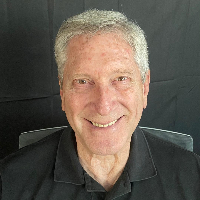
Brian Olden
LCSW
Experienced LCSW guiding practical change
Opens BetterHelp in a new tab, where you can review online therapy options.
- 45 years experience
- Collaborative goal-setting
- Trauma-informed care
About Brian
He uses different ways of working depending on a person's needs. He prefers to set therapy goals together with each person who comes in. He has long experience addressing trauma, relationship challenges, stress, anxiety, anger, depression, and life transitions. He also works with concerns like sleep problems, parenting strain, caregiving stress, and career challenges.
He has worked with adults, couples, and families and spent time living overseas, which informs his attention to cultural differences. He has specialized training with military trauma and sexual trauma and experience supporting adults with various trauma histories. He also helps people facing chronic illness, end-of-life issues, and the stresses of caregiving.
In sessions he focuses on helping people set achievable goals and build on existing strengths. He aims to translate insights into practical steps so people can try new skills between visits. He often helps people who want concrete strategies to manage impulsivity, anger, or feelings that get in the way of relationships.
Brian describes therapy as a collaborative journey. He invites those ready to work toward clear goals and to develop strategies that fit their life circumstances.
Areas of expertise
Primary focus
Also works with
Additional focus areas
Therapeutic approaches
Experience
45+ years
Credentials
California
Languages
English
How therapeutic approaches shape online work
Client-Centered Therapy focuses on the person in front of the therapist. It means the therapist listens closely, follows the client's concerns, and helps people clarify what they want to change. This approach can be useful for building trust and identifying personal goals.Cognitive Behavioral Therapy, or CBT, looks at how thoughts, feelings, and actions interact. It uses practical exercises and experiments to change unhelpful thinking and behavior, and it often helps with anxiety, depression, anger, and sleep issues.
Emotionally-Focused Therapy helps people understand and shift patterns in close relationships. It can be used when intimacy, attachment, or recurring conflicts are at issue and focuses on feeling and communication in the moment.
Choosing the right approach is part of the work. The therapist will collaborate with each person to decide which methods best fit their needs, goals, and preferences. That decision can change over time as progress is made and priorities shift.
If you are considering online sessions, confirm the available session formats before booking since specifics were not listed in the profile. Online work can make it easier to fit appointments into a busy life, reduce travel time, and allow shorter check-ins on difficult days. Some formats may also let a person work without video or with briefer sessions when that better fits their schedule.
At a glance
- Listed location
- California
- Experience
- 45+ years
- Credentials
- LCSW
- Languages
- English
- License (California)
- LCSW · No. 10507
- NPI
- 1790762797
As listed by the therapist. You can check a license with the state board and an NPI with the national registry.
Frequently asked questions
What kinds of problems can be addressed here?
Concerns include relationship issues, trauma and abuse, depression, anxiety, anger, stress, sleep problems, parenting and caregiving strain, career questions, and related areas.
How would you describe the therapy style?
The style is collaborative and practical. Goals are set together and sessions focus on building skills and strategies clients can use between meetings.
What is the therapist's background?
Brian is a Licensed Clinical Social Worker in California with 45 years of experience and long experience working with trauma and life transitions.
Which credentials and region apply to this practice?
The therapist holds an LCSW credential and practices in California.
Are sessions available in other languages or internationally?
Sessions are offered in English. International clients are not currently accepted.
What session formats are offered?
Please confirm current session options before booking, as formats are not specified in the provided profile.
How are costs handled for therapy?
Cost varies by location and therapist arrangement; sessions use a subscription that can be canceled at any time.
How do I begin working with this therapist?
Click the Start Therapy button, complete the short matching questionnaire, and schedule sessions according to the therapist's availability.
Before you start
- Online talk therapy is not a court-ordered or mandated anger-management course, and it does not provide attendance certificates.
- Check that the location and license details above fit where you live.
- If anyone is at risk of being harmed, contact emergency services or a domestic-abuse helpline first. See the support lines for the US, UK and Australia.