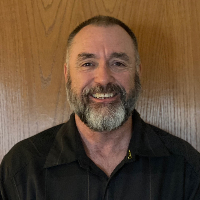
Brett Smith
LMFT
Compassionate, direct therapy for anger and trauma
Opens BetterHelp in a new tab, where you can review online therapy options.
- Direct practical approach
- Trauma-informed perspective
- Skills and insight
About Brett
Brett grew interested in counseling after facing his own PTSD following military service. That experience informs how he talks about trauma and its long-lasting effects. He spent years conducting emergency psychiatric assessments and has focused much of his career on trauma symptoms and personality difficulties. He uses that experience to help untangle complex patterns and behaviors.
In session he tends to be direct and practical. He commonly relies on dialectical behavior therapy, and also uses cognitive behavioral techniques and mindfulness strategies. He has post-graduate study in hypnotherapy and describes his hypnotherapy work as Ericksonian and transformational in style.
Clients can expect straightforward feedback, skill-building, and collaborative problem solving. Brett aims to help people identify what keeps problems going and practice new ways of coping. He also draws on life experience as a combat veteran and former law enforcement officer when it is helpful to the work.
Outside of practice he sails, backpacks, kayaks, and trains dogs with his wife. He creates educational videos on YouTube that expand on topics covered in sessions.
Areas of expertise
Primary focus
Also works with
Additional focus areas
Therapeutic approaches
Experience
22+ years
Credentials
California
Languages
English
How CBT, DBT, and Mindfulness Fit into Online Care
CBT, or cognitive behavioral therapy, focuses on identifying unhelpful thoughts and changing behaviors that keep problems going. It is often used for anxiety, depression, anger, and sleep or eating concerns and emphasizes practical exercises and skill practice.DBT, dialectical behavior therapy, teaches emotion regulation, distress tolerance, and interpersonal skills. It is useful for strong mood swings, anger, relationship problems, and people who need concrete tools to manage intense feelings.
Mindfulness therapy uses attention and present-moment awareness exercises to build control over reactivity and reduce rumination. It pairs well with CBT and DBT when the goal is calmer focus and more balanced responses.
Finding the right approach is part of the work. The therapist will help select methods based on a person’s goals, needs, and preferences. This is a collaborative process that can shift as progress is made or new issues arise.
If you are considering online sessions, confirm the current session formats before booking since the biography does not list specific options. Online sessions can make it easier to fit therapy into a busy schedule, reduce travel time, and allow shorter check-ins when needed. They also let people work with licensed professionals across regions, which can help when location or mobility are limiting factors. Discuss practical needs at intake so sessions are organized around real life commitments rather than assumptions.
At a glance
- Listed location
- California
- Experience
- 22+ years
- Credentials
- LMFT
- Languages
- English
- License (California)
- LMFT · No. 46410
- NPI
- 1952610529
As listed by the therapist. You can check a license with the state board and an NPI with the national registry.
Frequently asked questions
What concerns does Brett address in therapy?
Brett supports people with anger, stress, anxiety, trauma and abuse, depression, addictions, relationship problems, self-esteem, grief, parenting challenges, and related issues.
How would you describe his therapeutic style?
His style is direct and practical. He focuses on skills, clear feedback, and collaborative problem solving in sessions.
What is his background and experience?
He brings 22 years of clinical experience and a personal history with PTSD from military service, plus work conducting emergency psychiatric assessments.
What credentials and region apply to his practice?
He is a California licensed marriage and family therapist, listed as LMFT, and practices from California.
Which languages are offered and can international clients be seen?
Sessions are offered in English and he accepts international clients.
What session formats are available?
The original biography does not list specific session formats; please confirm current session options before booking.
How are fees and billing handled?
Cost varies with location and therapist availability; sessions use a subscription that can be canceled at any time.
How do I begin working with him?
Begin by selecting the Start Therapy button, completing a short matching questionnaire, and then scheduling according to therapist availability.
Before you start
- Online talk therapy is not a court-ordered or mandated anger-management course, and it does not provide attendance certificates.
- Check that the location and license details above fit where you live.
- If anyone is at risk of being harmed, contact emergency services or a domestic-abuse helpline first. See the support lines for the US, UK and Australia.