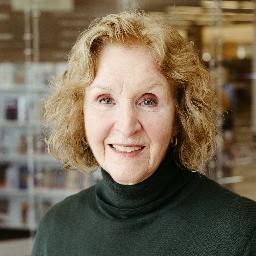
Barbara Ramsey
LCSW
Experienced LCSW guiding calm, practical change
Opens BetterHelp in a new tab, where you can review online therapy options.
- 35 years experience
- Practical goal focus
- Empathetic listener
About Barbara
Barbara trained as a nurse and earned a Master of Social Work from Rutgers University, then built a long career in psychotherapy after work in hospital and home care. She brings about 35 years of clinical experience to sessions and draws on that background when clients want perspective on recurring patterns.
In the first meetings she aims to learn what brought someone to therapy and what goals feel important. She notices patterns and sensitivities, then reflects those observations so clients can see options more clearly. Conversations are meant to reduce stress and make choices easier.
Barbara uses several familiar methods in her work, combining what fits a person’s needs. She pays attention to values, hopes, and everyday realities when shaping goals and follow-through. The result is a steady focus on practical change alongside emotional understanding.
People who reach out describe practical problems like sleep, anger, or caregiving strain, and longer-term concerns such as grief or relationship difficulties. Barbara invites a brief intro message that outlines the current challenges, then schedules live sessions to begin focused work.
Areas of expertise
Primary focus
Also works with
Additional focus areas
Therapeutic approaches
Experience
35+ years
Credentials
New Jersey
Languages
English
Approaches that translate to online care
Client-Centered Therapy focuses on a conversational, nonjudgmental stance where the therapist follows the client's lead and helps clarify values and goals. This approach can help with anger, low self-esteem, and coping with life changes by centering what matters most to the person.Cognitive Behavioral Therapy (CBT) breaks problems into thoughts, feelings, and behaviors and uses small, practical experiments to shift unhelpful patterns. It often helps with anxiety, sleep problems, and stress by teaching concrete skills to change reactions.
Emotionally-Focused Therapy (EFT) helps people identify and name emotions and work with them directly, which can be useful for intimacy-related struggles and healing after trauma.
Choosing the right approach is a collaborative process. The therapist will talk with the client about goals, past experience, and preferences, and then tailor a mix of methods to fit those needs. That shared planning helps clients try approaches with clear aims and simple steps to track progress.
If you are considering online therapy, confirm the exact session options before booking since formats are not listed in the biography. Online work can make it easier to fit sessions into a busy week, allow shorter check-ins when needed, and remove the time spent traveling to appointments. Licensed professionals can use these advantages to help maintain regular contact and steady progress.
At a glance
- Listed location
- New Jersey
- Experience
- 35+ years
- Credentials
- LCSW
- Languages
- English
- License (New Jersey)
- LCSW · No. 44SC01482000
- NPI
- 1952459042
As listed by the therapist. You can check a license with the state board and an NPI with the national registry.
Frequently asked questions
What kinds of issues does she help with?
She helps with stress, anxiety, grief, anger, depression, relationship and family concerns, parenting, sleep problems, trauma, caregiving strain, and career difficulties among other issues.
What is her therapeutic style like?
Her style is empathetic and insightful. She listens closely, reflects patterns, and works with clients to set practical, achievable goals.
How much clinical experience does she have?
She has about 35 years of experience in clinical practice, with a background that includes nursing and long-term psychotherapy work.
What credentials and location are listed?
She holds the credential LCSW and practices from New Jersey.
Which languages are supported for sessions?
Sessions are offered in English and she also accepts international clients.
What session formats are available?
Session formats are not specified in the biography; please confirm current session options before booking.
How are fees handled?
Cost varies with location and therapist availability, and sessions use a subscription that can be canceled at any time.
How do I begin working together?
Click the Start Therapy button, complete a short matching questionnaire, and schedule according to the therapist's availability.
Before you start
- Online talk therapy is not a court-ordered or mandated anger-management course, and it does not provide attendance certificates.
- Check that the location and license details above fit where you live.
- If anyone is at risk of being harmed, contact emergency services or a domestic-abuse helpline first. See the support lines for the US, UK and Australia.