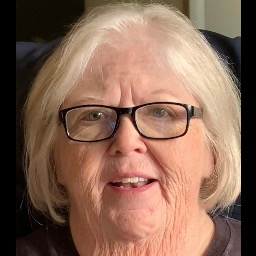
Barbara Kaminer
LCSW
Experienced LCSW helping people manage anger and stress
Opens BetterHelp in a new tab, where you can review online therapy options.
- Direct and encouraging
- Practical skill building
- Mindful and solution focused
About Barbara
She listens first to understand what feels off and then works with people to set realistic, practical goals. Sessions focus on clear steps and useful skills rather than long explanations. Barbara is comfortable addressing trauma, parenting challenges, relationship and intimacy concerns, sleep problems, and issues tied to life transitions.
Her style is relaxed yet straightforward. She asks for honest conversation and active participation so change can happen. That mix of warmth and directness helps people name problems and try new ways of coping.
Barbara draws on client-centered methods, cognitive behavioral ideas, mindfulness, motivational interviewing, and solution-focused techniques. She blends these approaches to match each person’s needs and pace. Over time she helps people notice patterns, try small shifts, and build more manageable routines.
Sessions may address specific topics such as abandonment, body image, chronic illness, veteran issues, guilt and shame, or compassion fatigue. Barbara works with people who want supportive counseling or practical coaching as they face life changes. She looks forward to talking through concerns and planning steps toward feeling steadier.
Areas of expertise
Primary focus
Also works with
Additional focus areas
Therapeutic approaches
Experience
39+ years
Credentials
Kentucky
Languages
English
Approaches that translate well to online care
Client-centered therapy focuses on understanding each person’s experience and responding with empathy and support. It helps when someone needs a respectful, nonjudgmental space to talk about anger, grief, or life stress. Cognitive Behavioral Therapy, or CBT, looks at patterns of thought and behavior and teaches concrete tools to shift responses to anxiety, depression, or anger. Mindfulness Therapy brings attention to the present moment through simple practices that reduce reactivity and improve emotional regulation.Finding the right approach is part of the work. The therapist will collaborate with the client to decide which methods fit their goals and comfort level. That means trying things out, checking what helps, and adjusting plans together rather than assuming one method from the start.
Barbara offers online sessions and has said she prefers to see or at least hear clients instead of text-only care. Please confirm the specific session formats available when you schedule. Online work can make it easier to fit therapy into a busy week, reduce travel time, allow shorter check-ins when needed, and let conversations continue across life transitions while keeping focus on practical steps and skill practice.
At a glance
- Listed location
- Kentucky
- Experience
- 39+ years
- Credentials
- LCSW
- Languages
- English
- License (Kentucky)
- LCSW · No. 464
- NPI
- 1467572990
As listed by the therapist. You can check a license with the state board and an NPI with the national registry.
Frequently asked questions
What concerns does Barbara work with?
She supports people facing stress, anxiety, anger, depression, trauma and abuse, addictions, grief, parenting strain, sleep problems, self-esteem and related life changes.
How would you describe her therapeutic style?
Her style is open, encouraging and interactive while also being respectfully straightforward. She asks for honest communication and active participation to help make practical change.
What is her experience background?
She has provided therapy and supportive counseling for 39 years, beginning work with children and adolescents and later including veterans and adults across many concerns.
What credentials and location are listed?
She holds the credential LCSW and practices from Kentucky as noted in her profile.
Which languages are sessions offered in?
Sessions are offered in English only and international clients are not accepted at this time.
What session formats are offered?
The biography indicates Barbara provides services online but does not accept text-only care; please confirm current session format options before booking.
How is cost handled for sessions?
Cost varies with location and therapist availability; sessions use a subscription that can be canceled at any time.
How do I begin working with her?
Click the Start Therapy button, complete the short matching questionnaire, and schedule according to therapist availability.
Before you start
- Online talk therapy is not a court-ordered or mandated anger-management course, and it does not provide attendance certificates.
- Check that the location and license details above fit where you live.
- If anyone is at risk of being harmed, contact emergency services or a domestic-abuse helpline first. See the support lines for the US, UK and Australia.