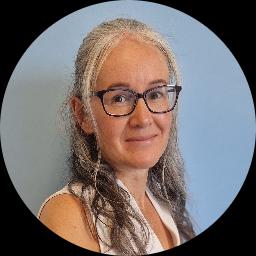
Barbara Coates
BACP
Calm, practical psychotherapy for everyday struggles
Opens BetterHelp in a new tab, where you can review online therapy options.
- Practical coping tools
- Gentle, empathic listening
- CBT and attachment
About Barbara
She creates an open space where thoughts and feelings are welcomed. She listens with empathy and responds without judgement. Sessions focus on understanding problems, identifying strengths and building practical tools for day-to-day life.
Barbara helps people manage stress, anxiety, low mood and anger. She also supports those working through trauma, grief, relationship problems, addiction concerns and challenges such as low self-esteem or coping with life changes. Her work includes attention to attachment issues, chronic illness, caregiver stress and sleep difficulties.
Her approach draws on Cognitive Behavioural Therapy, Attachment-Based ideas and a client-centred way of working. That means she looks at links between thoughts, feelings and actions, explores early relationship patterns, and follows the person’s pace and priorities in sessions.
Practical tools feature in her work - breathing and anxiety management techniques, confidence-building exercises, routines to support wellbeing, and problem-solving steps. She adapts interventions to each person’s needs and uses straightforward resources to help people make changes.
If someone wants to start, they use the platform’s Start Therapy button, complete a short matching form and arrange sessions according to the therapist’s schedule.
Areas of expertise
Also works with
Additional focus areas
Therapeutic approaches
Experience
5+ years
Credentials
United Kingdom
Languages
English
How her approaches can work online
Barbara uses Cognitive Behavioural Therapy to look at links between thoughts, feelings, bodily sensations and actions and to develop step-by-step strategies for change. This approach can help with anxiety, low mood, anger and unhelpful habits.She also draws on Attachment-Based ideas to explore early relationship patterns and how they affect current emotional responses and relationships. That work can help when past hurts affect trust, closeness or emotional regulation.
Her client-centred way of working keeps the person’s pace and priorities front and centre. Sessions focus on listening, understanding and helping someone find their own solutions rather than imposing a fixed programme.
Finding the right approach is part of the work together. She will discuss options and help decide what fits best with someone’s goals, needs and preferences. This collaborative discussion can happen in early sessions and be adjusted over time.
The biography does not list specific online formats, so please confirm available session types before booking. In general, online therapy can make it easier to fit sessions into a busy life, reduce travel time and allow for shorter check-ins when needed. It also lets people use techniques and worksheets at home between meetings, keeping progress practical and manageable.
At a glance
- Listed location
- United Kingdom
- Experience
- 5+ years
- Credentials
- BACP
- Languages
- English
- Registration (United Kingdom)
- BACP · No. 387332
As listed by the therapist. You can check a registration with the body that issued it.
Frequently asked questions
What concerns can Barbara help with?
Barbara supports people facing stress, anxiety, low mood, anger and trauma. She also works with grief, relationship worries, addictions, ADHD and related problems listed in her profile.
What is her therapy style like?
Her style is client-centred and down-to-earth. She listens without judgement and focuses on practical steps people can use between sessions.
How much experience does she have?
She has five years of professional experience and holds a Master’s degree in psychotherapy.
What credentials and region apply?
She is registered with the British Association for Counselling and Psychotherapy (BACP) and practices in the United Kingdom.
Which languages are supported?
Sessions are offered in English and she accepts international clients.
What session formats are available?
The original biography does not specify session formats; please confirm current options with the therapist before booking.
How does payment and cost work?
Cost varies with location and therapist availability; sessions use a subscription that can be cancelled at any time.
How do I begin working with her?
Start by clicking the Start Therapy button, complete a short matching questionnaire, and schedule sessions according to her availability.
Before you start
- Online talk therapy is not a court-ordered or mandated anger-management course, and it does not provide attendance certificates.
- Check that the location and registration details above fit where you live.
- If anyone is at risk of being harmed, contact emergency services or a domestic-abuse helpline first. See the support lines for the US, UK and Australia.