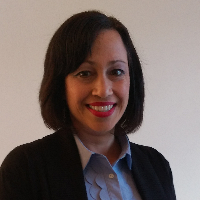
Aparna Bell
LPCC
Compassionate counselor focused on practical change
Opens BetterHelp in a new tab, where you can review online therapy options.
- Person-centered approach
- CBT techniques
- Experience with addiction
About Aparna
She earned a master’s degree in rehabilitation counseling from San Francisco State University in 2009 and has worked in outpatient and residential dual diagnosis and recovery programs. That background shaped her approach to problems that often overlap, such as mood concerns, substance use, trauma, and relationship strain. She draws on a mix of methods to meet each person’s needs.
In sessions she uses reflective listening and looks for patterns that fuel distress. She helps people identify negative thoughts and behaviors and then practices new ways of coping. She also supports clients working on harm reduction or abstinence goals for addiction, and addresses the shame and stigma that often accompany recovery.
Aparna describes her approach as person-centered and strength-based while also integrating psychodynamic ideas and cognitive-behavioral techniques. She works to help people build healthier boundaries, clearer communication, and reliable self-care habits. The focus is on small, achievable changes that add up over time.
People who come to her for help often want straightforward steps and real listening. She aims to make the work collaborative, focusing on goals the client sets. Aparna welcomes people from diverse backgrounds and helps them move toward greater health and satisfaction in life.
Areas of expertise
Primary focus
Also works with
Additional focus areas
Therapeutic approaches
Experience
13+ years
Credentials
California
Languages
English
How her therapeutic approaches work for online therapy
Client-Centered Therapy focuses on listening and understanding you as a whole person. The therapist reflects your thoughts and feelings so you can notice patterns and decide on next steps; this helps with issues like low self-esteem, relationship struggles, and life transitions.Cognitive Behavioral Therapy (CBT) looks at the link between thoughts, feelings, and behaviors. It uses clear exercises and homework to challenge unhelpful thoughts and practice new coping skills, which can be useful for anxiety, depression, anger, and addictive behaviors.
Finding the right approach is part of the work. The therapist will collaborate with each person to pick methods that match their goals, needs, and preferences. That means trying strategies, checking what helps, and adjusting the plan together.
Online therapy can make it easier to fit sessions into a busy life, reduce travel time, and allow follow-up work between visits. The original profile does not list specific session formats, so confirm current options before booking. Many people find online sessions useful for regular check-ins, working on CBT exercises, or talking through stress and recovery steps without rearranging their day.
At a glance
- Listed location
- California
- Experience
- 13+ years
- Credentials
- LPCC
- Languages
- English
- License (California)
- LPCC · No. 1222
- NPI
- 1225440621
As listed by the therapist. You can check a license with the state board and an NPI with the national registry.
Frequently asked questions
What issues does she help with?
She helps people with stress, anxiety, depression, low self-esteem, anger, addictions, grief, trauma, relationship and intimacy concerns, and life changes.
What is her therapy style like?
Her style is warm, engaged, and person-centered. She listens reflectively and works with clients to identify patterns and practical steps to change.
What background does she bring to sessions?
She has 13 years of experience working in outpatient and residential dual diagnosis and recovery programs, supporting people with co-occurring mental health and substance use concerns.
What credentials and location apply?
She is a Licensed Professional Clinical Counselor, LPCC, practicing in California.
Which languages are supported?
Sessions are offered in English and international clients are not currently accepted.
What session formats are available?
The original profile does not specify session formats; please confirm the current session options before booking.
How is cost handled?
Cost varies with location and therapist availability; sessions use a subscription model that can be canceled at any time.
How do I begin working with her?
Select the Start Therapy button, complete a short matching questionnaire, and schedule according to the therapist's availability.
Before you start
- Online talk therapy is not a court-ordered or mandated anger-management course, and it does not provide attendance certificates.
- Check that the location and license details above fit where you live.
- If anyone is at risk of being harmed, contact emergency services or a domestic-abuse helpline first. See the support lines for the US, UK and Australia.