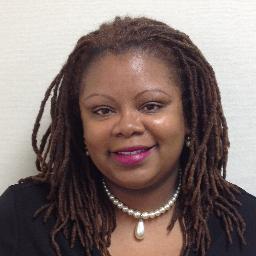
Dr. Annette Solomon
MI Psychologist 6301013313
Compassionate care for intense emotions
Opens BetterHelp in a new tab, where you can review online therapy options.
- Strength based
- Goal focused
- Practical strategies
About Annette
Solomon holds a doctorate in clinical psychology from Wright State University School of Professional Psychology and is listed as MI Psychologist 6301013313. She brings more than 21 years of experience in clinical practice and training. Much of her work has involved supporting people coping with medical conditions, addictions, trauma, and grief.
In sessions she draws on client-centered methods to follow what matters most to each person. Cognitive behavioral ideas are used to spot unhelpful thoughts and try small experiments to change behavior. Motivational interviewing helps when someone feels stuck or ambivalent about making changes.
Her background includes work with diverse medical teams and experience supporting people with chronic illness and HIV/AIDS. That experience informs a practical, problem-focused style that aims to connect emotional concerns with everyday routines and health needs.
People can expect a collaborative process that starts with clear goals and simple steps. Progress is reviewed regularly and plans are adjusted to fit changing needs. Those seeking help for anger, stress, addiction, relationship strain, or major life transitions may find this approach straightforward and grounded.
Areas of expertise
Primary focus
Also works with
Additional focus areas
Therapeutic approaches
Experience
21+ years
Credentials
Michigan
Languages
English
How therapeutic approaches translate to online care
Client-centered therapy focuses on the person’s priorities and values. It gives space for someone to say what matters most and for the therapist to follow that lead, which helps when sorting out anger or relationship strain.Cognitive Behavioral Therapy (CBT) helps identify patterns of thinking that feed strong emotions and then tests new behaviors in everyday life. This approach is useful for anxiety, depression, sleep problems, and anger by breaking problems into manageable steps.
Motivational Interviewing supports people who feel stuck or unsure about change. It uses short conversations to clarify reasons for change and to build momentum toward goals like reducing substance use or improving communication.
Finding the right approach is part of the work. The therapist will talk with the client about goals, preferences, and what has or hasn’t helped before. Together they decide which methods to try and adjust the plan as progress is made.
Confirm current session options before booking so you know what formats are offered. Online therapy can make it easier to fit sessions into a busy week, shorten check-ins, or reduce travel time. It can also allow sessions from a quieter spot when that helps concentration and gives more opportunities to keep consistent appointments.
At a glance
- Listed location
- Michigan
- Experience
- 21+ years
- Credentials
- MI Psychologist 6301013313
- Languages
- English
- License (Michigan)
- Psychologist · No. 6301013313
- NPI
- 1528369659
As listed by the therapist. You can check a license with the state board and an NPI with the national registry.
Frequently asked questions
What kinds of problems does she address?
She helps people facing issues such as anger, addictions, trauma and abuse, grief, depression, anxiety, stress, and problems with sleep and intimacy.
What is her general therapy style?
Her style is warm and strength-based, using client-centered work alongside practical techniques to set goals and try changes in daily life.
How much clinical experience does she have?
She has 21 years of professional experience, including long-term work in medical settings and with diverse clinical concerns.
What are her credentials and where is she based?
She is listed as MI Psychologist 6301013313 and practices in Michigan.
Which languages are sessions offered in?
Sessions are offered in English.
Does she work with clients outside the United States?
International clients are not currently accepted.
How does payment and cost work?
Cost varies with location and therapist availability; sessions use a subscription that can be canceled at any time.
How do I begin working with her?
Choose the Start Therapy button, complete a short matching questionnaire, and schedule a session based on therapist availability.
Before you start
- Online talk therapy is not a court-ordered or mandated anger-management course, and it does not provide attendance certificates.
- Check that the location and license details above fit where you live.
- If anyone is at risk of being harmed, contact emergency services or a domestic-abuse helpline first. See the support lines for the US, UK and Australia.