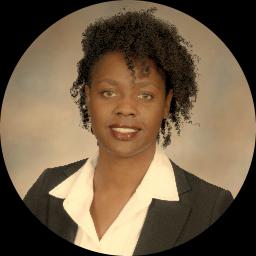
Angela Whitlock
LCSW, LICSW
Empathetic support for stress and anger management
Opens BetterHelp in a new tab, where you can review online therapy options.
- Warm interactive style
- Person-centered care
- Practical tools
About Angela
Angela earned a Master of Social Work degree and holds LCSW and LICSW credentials. She has worked with a variety of concerns including depression, relationship problems, trauma and abuse, LGBT issues, and complications tied to caregiving and career stress. She focuses on practical steps that people can use between sessions.
Her approach centers on the person and what they need right now. Sessions move at the client’s pace and focus on goals they find meaningful. Angela uses techniques from cognitive behavioral therapy, motivational interviewing, mindfulness, and attachment-based work to shape conversations and exercises.
She often helps people untangle patterns like codependency, communication problems, control issues, and feelings of emptiness or guilt. She also addresses intimacy-related worries, body image, and questions around gender dysphoria and HIV/AIDS when relevant to the person’s goals.
Angela encourages straightforward talk about what’s not working and what to try instead. She supports problem-solving for daily stressors and longer-term shifts in thinking and behavior. To begin, a person completes a short matching questionnaire and schedules sessions based on availability.
Areas of expertise
Primary focus
Also works with
Additional focus areas
Therapeutic approaches
Experience
11+ years
Credentials
Alabama, Arkansas
Languages
English
How therapeutic approaches translate to online care
Attachment-based work focuses on patterns in close relationships and how past connections shape present reactions. In sessions this looks like talking through relationship histories, noticing repeated patterns, and trying new ways of connecting that feel safer and clearer.Client-centered therapy centers the person’s experience and priorities. The therapist listens without steering, reflects what she hears, and helps the client uncover their own answers and next steps. This approach is useful for building self-esteem and making choices that fit a person’s values.
Cognitive behavioral techniques are practical tools for spotting unhelpful thoughts and changing behaviors. That can involve short at-home exercises, thought logs, role-play, and testing out new actions between meetings to see what helps reduce anxiety or anger.
Finding the right approach is part of the work. The therapist will collaborate with the client to choose methods that match their needs, goals, and preferences. That choice can shift over time as progress is made and priorities change.
Session delivery options are not listed in the biography, so confirm available formats before booking. Online therapy can make it easier to fit sessions into a busy life, cut travel time, and offer options for shorter check-ins or video conversations that feel more like a face-to-face talk. Discuss practical preferences and scheduling when you first connect so sessions fit into daily routines.
At a glance
- Listed location
- Alabama
- Experience
- 11+ years
- Credentials
- LCSW, LICSW
- Languages
- English
- License (Alabama)
- LICSW · No. 4675C
- License (Arkansas)
- LCSW · No. 27427-C
- NPI
- 1013415462
As listed by the therapist. You can check a license with the state board and an NPI with the national registry.
Frequently asked questions
What concerns does Angela help with?
She works with people facing stress, anxiety, anger, depression, and coping with life changes. Other focus areas include relationship and family issues, trauma and abuse, caregiving stress, and LGBT-related concerns.
What is her therapeutic style like?
Her style is warm, interactive, and client-centered. Sessions follow the client’s pace and combine conversation with practical exercises from approaches like cognitive behavioral work and motivational interviewing.
How much experience does she have?
She has 11 years of experience working in clinical social work settings. That experience includes supporting people with grief, compassion fatigue, and career-related stress.
What credentials and location are listed?
She holds LCSW and LICSW credentials and practices in Alabama. Those are the professional credentials provided.
Which languages are supported and are international clients accepted?
Sessions are offered in English. She is not accepting international clients at this time.
What session formats are available?
Session formats are not specified in the biography. Confirm current session options before booking to ensure they meet your needs.
How is cost handled for sessions?
Cost varies with location and therapist availability. Sessions use a subscription that can be canceled at any time.
How do I begin working with her?
Select the Start Therapy button, complete a short matching questionnaire, and schedule according to the therapist’s availability.
Before you start
- Online talk therapy is not a court-ordered or mandated anger-management course, and it does not provide attendance certificates.
- Check that the location and license details above fit where you live.
- If anyone is at risk of being harmed, contact emergency services or a domestic-abuse helpline first. See the support lines for the US, UK and Australia.