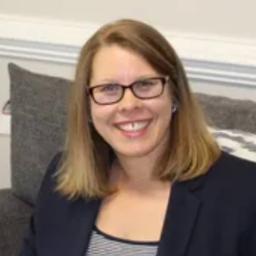
Amy Prokopowicz
LCMHC
Practical support for life’s difficult moments
Opens BetterHelp in a new tab, where you can review online therapy options.
- LCMHC
- 15 years experience
- English language
About Amy
Amy blends client-centered care with techniques from cognitive behavioral therapy and motivational interviewing. She focuses on the mind-body connection and supports mental, physical, spiritual, and financial self-care. Sessions aim to be collaborative and goal-focused so people leave with concrete next steps.
Her background includes a Bachelor of Science from North Carolina State University and a Master of Arts in Counseling from North Carolina Central University. Early clinical work included a practicum in hospice and an internship working with women facing mental illness, trauma, and addiction. Those experiences shaped her compassion for end-of-life, caregiver, and chronic illness concerns.
Amy has about 15 years of experience in community mental health and private practice settings. She spent a decade providing solution-focused counseling to active duty military and their families, which added experience with life transitions and veteran issues.
Outside of clinical work she is a single older mom to an energetic toddler and understands how parenting and unexpected life demands can pull people off balance. She offers practical support aimed at helping clients meet goals and move toward a healthier everyday life.
Areas of expertise
Primary focus
Also works with
Additional focus areas
Therapeutic approaches
Experience
15+ years
Credentials
North Carolina
Languages
English
How therapy approaches guide online care
Amy often uses client-centered therapy, which focuses on understanding the person’s experience and building a respectful, empathetic relationship. This approach helps when someone needs space to talk through feelings like anger, grief, or burnout and to set personal goals.She also draws on cognitive behavioral therapy, a practical method that looks at how thoughts, feelings, and behaviors interact. CBT offers concrete tools for managing anxiety, stress, negative thinking, and anger by practicing new ways of responding to triggers.
Finding the right approach is part of the work together. The therapist will collaborate with each person to choose methods that match their needs, goals, and preferences. That choice can change over time as progress is made or new concerns appear.
Details about which online session formats are used were not specified in the biography, so please confirm current options before booking. Online therapy can make it easier to fit sessions into a busy schedule, reduce travel time, and allow shorter check-ins when needed. It can also be useful for people handling caregiving, chronic illness, or work demands who need flexible scheduling.
At a glance
- Listed location
- North Carolina
- Experience
- 15+ years
- Credentials
- LCMHC
- Languages
- English
- License (North Carolina)
- LCMHC · No. 8046
- NPI
- 1518259779
As listed by the therapist. You can check a license with the state board and an NPI with the national registry.
Frequently asked questions
What concerns does Amy often help with?
Amy works with people facing stress, anxiety, anger, depression, grief, and addictions. She also supports those navigating caregiving, chronic illness, life transitions, and career or financial strain.
What is her therapeutic style like?
She uses a client-centered approach that keeps the person’s goals first. Sessions are practical and collaborative, often including short-term tools and problem-solving strategies.
What is her professional background?
She holds a Master of Arts in Counseling and has about 15 years of experience in community mental health and private practice. Her early practicum was in hospice and her internship focused on women with mental illness, trauma, and addiction.
What credentials and location are listed?
She is listed as an LCMHC, with licensure in North Carolina. Her training includes degrees from North Carolina State University and North Carolina Central University.
Which languages and international arrangements are available?
Sessions are offered in English. International clients are accepted.
What session formats are offered?
The original biography does not list specific session formats. Please confirm the current session options before booking so you know which formats are available.
How does payment and cost work?
Cost varies with location and therapist availability. Sessions use a subscription model that can be canceled at any time.
How do I begin working with Amy?
To start, select the Start Therapy button and complete a short matching questionnaire. Then schedule according to the therapist’s availability.
Before you start
- Online talk therapy is not a court-ordered or mandated anger-management course, and it does not provide attendance certificates.
- Check that the location and license details above fit where you live.
- If anyone is at risk of being harmed, contact emergency services or a domestic-abuse helpline first. See the support lines for the US, UK and Australia.