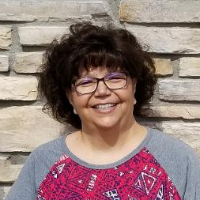
Amy Flores
LCSW
Compassionate social worker focused on practical change
Opens BetterHelp in a new tab, where you can review online therapy options.
- Strengths-based care
- Goal focused
- Mindfulness informed
About Amy
Her style centers on a strengths-based, client-centered approach. Sessions aim to help people notice what already works for them and build from there. Amy often uses practical tools from cognitive behavioral therapy and dialectical behavior therapy, plus mindfulness and motivational interviewing techniques when they fit a person’s goals.
She has practical experience with trauma, abuse, ADHD, bipolar symptoms, grief, and challenges tied to attachment and abandonment. Amy also supports people facing blended family tensions, caregiving strain, and communication or control struggles. Her background includes work with children and adolescents in therapeutic roles, as well as broader behavioral supports.
Amy aims to help people reconnect with strengths they may have lost sight of. She emphasizes clear goals and step-by-step progress rather than abstract talk. The focus is on building useful skills, improving coping, and creating manageable change.
People who prefer a collaborative, goal-oriented approach often find her method straightforward. She invites prospective clients to consider their next steps and to use the Start Therapy flow to match and schedule sessions.
Areas of expertise
Primary focus
Also works with
Additional focus areas
Therapeutic approaches
Experience
5+ years
Credentials
Tennessee
Languages
English
Approaches that guide online sessions
Amy often draws on cognitive behavioral therapy and dialectical behavior therapy in her work. CBT looks at how thoughts, feelings, and actions connect and helps people try small behavior changes to see different results. DBT emphasizes skills for managing strong emotions and improving communication, which can help with anger, relationship strain, and emotional ups and downs.She also uses a client-centered stance that prioritizes the person’s goals and strengths. That means the therapist and client work together to pick methods that feel useful. Deciding which approach to use is a collaborative process, and adjustments are expected as goals change.
If you are considering online work, confirm the specific session formats offered before booking since the biography does not list formats. Online sessions can make it easier to fit therapy into a busy life, permit shorter check-ins when schedules are tight, and reduce travel time. Many people find virtual options help them practice skills in everyday settings and keep momentum between appointments. The therapist will help tailor session length and focus to match your needs and schedule.
At a glance
- Listed location
- Tennessee
- Experience
- 5+ years
- Credentials
- LCSW
- Languages
- English
- License (Tennessee)
- LCSW · No. 7430
- NPI
- 1356966303
As listed by the therapist. You can check a license with the state board and an NPI with the national registry.
Frequently asked questions
What concerns does Amy commonly help with?
Amy works with people dealing with stress, anxiety, anger, depression, and coping with life changes. She also supports issues like parenting challenges, relationship strain, trauma and abuse, and ADHD.
How would you describe her therapeutic style?
Her style is strengths-based and client-centered, focusing on practical steps and clear goals. She blends conversational support with skill-building methods like CBT and DBT as needed.
What is her clinical background and experience?
She holds a Tennessee LCSW and has five years of clinical practice plus about ten years working with behavioral and social-emotional challenges. That mix informs her practical, skills-focused approach.
Where is she licensed and practicing?
She is licensed in Tennessee and provides services to people based on that licensure and scope of practice.
Which languages are supported in sessions?
Sessions are offered in English.
What session formats are available?
Please confirm current session options before booking, as the biography does not specify which formats are offered. Check the booking flow for up-to-date format details.
How is pricing handled?
Cost varies with location and therapist arrangements. Sessions use a subscription model that can be canceled at any time.
How do I start working with her?
Select the Start Therapy button, complete a short matching questionnaire, and schedule according to the therapist's availability.
Before you start
- Online talk therapy is not a court-ordered or mandated anger-management course, and it does not provide attendance certificates.
- Check that the location and license details above fit where you live.
- If anyone is at risk of being harmed, contact emergency services or a domestic-abuse helpline first. See the support lines for the US, UK and Australia.