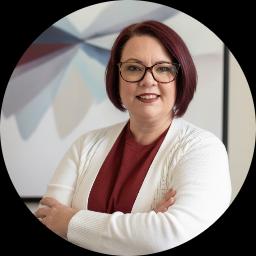
Amanda Miller-Hodges
LMHC, LPC
Compassionate skills-based counseling for life challenges
Opens BetterHelp in a new tab, where you can review online therapy options.
- Emotion regulation
- Mindful techniques
- Practical coping
About Amanda
Her sessions focus on learning skills to manage emotions and improve communication. She combines mindful practices with techniques that challenge unhelpful thoughts and patterns. Amanda emphasizes skill-building in emotion regulation, distress tolerance, and interpersonal effectiveness to reduce reactivity and increase stability.
Her background includes work in a range of settings with adolescents, adults, and geriatric clients. She has experience helping people with trauma, addictions, self-harm behaviors, and mood disorders such as bipolar disorder. Amanda has also facilitated intensive outpatient programs and outpatient DBT skills groups.
Therapeutic methods include Acceptance and Commitment Therapy (ACT), Cognitive Behavioral Therapy (CBT), Dialectical Behavior Therapy (DBT), Mindfulness Therapy, Motivational Interviewing, and solution-focused work. She adapts these approaches to each person’s needs and responsiveness rather than following a single method.
Amanda holds LMHC and LPC credentials and practices in Florida. Her work often centers on building a life the client finds worth living through clear coping tools, paced skill practice, and realistic goals.
Areas of expertise
Primary focus
Also works with
Additional focus areas
Therapeutic approaches
Experience
15+ years
Credentials
Florida, Georgia
Languages
English
How therapy approaches translate online
Amanda works with approaches that teach practical skills and mental habits. Acceptance and Commitment Therapy (ACT) helps people notice difficult thoughts and feelings and then focus on actions that matter to them. It is useful for anxiety, low mood, and life transitions where values and behavior need aligning.Cognitive Behavioral Therapy (CBT) looks at links between thoughts, feelings, and behaviors and teaches steps to change unhelpful patterns. CBT is often chosen for anxiety, depression, and problems with coping during stressful times.
Dialectical Behavior Therapy (DBT) emphasizes emotion regulation, distress tolerance, and interpersonal effectiveness. It can help when strong emotions, impulsivity, or chronic relationship conflicts interfere with daily life.
Finding the right approach is part of the work. Amanda will collaborate with each person to decide which methods fit their goals and preferences, and she adjusts methods based on how someone responds over time.
If you are considering online sessions, confirm the current session options before booking. The practical benefits of online work include easier scheduling around work or caregiving, fewer travel demands, and the ability to keep momentum between appointments. Some formats also allow shorter check-ins when life is busy or lower bandwidth options when video is difficult. Ask about available session types during the matching process so arrangements can fit everyday life.
At a glance
- Listed location
- Florida
- Experience
- 15+ years
- Credentials
- LMHC, LPC
- Languages
- English
- License (Florida)
- LMHC · No. MH20864
- License (Georgia)
- LPC · No. LPC016331
- NPI
- 1073852828
As listed by the therapist. You can check a license with the state board and an NPI with the national registry.
Frequently asked questions
What concerns does Amanda help with?
She supports people dealing with stress, anxiety, depression, grief, anger, relationship and family issues, trauma and abuse, addictions, parenting challenges, ADHD, and related concerns.
What is Amanda's therapy style?
Her style is practical and skills-focused. Sessions emphasize learning tools for emotion regulation, communication, and coping rather than long theoretical discussions.
How much experience does she have?
Amanda has 15 years of clinical experience working in outpatient settings and with intensive outpatient programs and skills groups.
What are her credentials and where does she practice?
She holds LMHC and LPC credentials and practices in Florida.
Which languages are available for sessions?
Sessions are offered in English.
Are international clients accepted?
International clients are not currently accepted.
How does payment work?
Cost varies with location and therapist availability; sessions use a subscription that can be canceled at any time.
How do I begin working with Amanda?
Use the Start Therapy button, complete a short matching questionnaire, and schedule according to therapist availability.
Before you start
- Online talk therapy is not a court-ordered or mandated anger-management course, and it does not provide attendance certificates.
- Check that the location and license details above fit where you live.
- If anyone is at risk of being harmed, contact emergency services or a domestic-abuse helpline first. See the support lines for the US, UK and Australia.