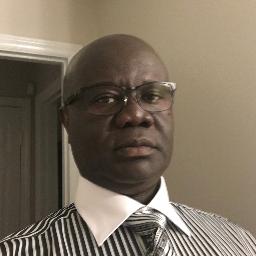
Dr. Agyenim Akuamoah-Boateng
LCMHC
Experienced counselor focusing on practical change
Opens BetterHelp in a new tab, where you can review online therapy options.
- Anger and stress
- Substance use support
- Values-based work
About Agyenim
He uses straightforward, goal-focused conversations to help people set and reach practical steps. Sessions often focus on building coping skills, reducing problematic behaviors, and improving daily functioning. He draws on approaches that emphasize values, skills, and real-world change.
Clients may find him useful when facing life transitions, relationship and intimacy struggles, caregiving strain, or co-occurring medical and mental health challenges. He has experience with mood disorders, ADHD, bipolar concerns, sleep problems, and substance use issues. He also addresses issues like abandonment, attachment concerns, body image, and compassion fatigue.
Dr. Akuamoah-Boateng blends Acceptance and Commitment Therapy, client-centered work, cognitive behavioral techniques, and dialectical behavior strategies in-session. He also uses attachment-based ideas to look at how early relationships shape present patterns. The aim is practical improvement rather than jargon-filled explanations.
People who want clear steps, skill building, and respectful listening may find this approach helpful. If you want to explore whether his style fits your needs, use the site’s Start Therapy process to match and schedule a session.
Areas of expertise
Also works with
Additional focus areas
Therapeutic approaches
Experience
23+ years
Credentials
North Carolina
Languages
English
Therapeutic approaches that translate to online work
Acceptance and Commitment Therapy (ACT) helps people clarify what matters to them and take committed steps toward those values. It is often used for anxiety, depression, trauma recovery, and persistent unwanted thoughts. Cognitive Behavioral Therapy (CBT) focuses on identifying patterns of thinking and behavior that cause problems and replacing them with more helpful responses; it works well for mood, anxiety, sleep, and addiction-related habits. Attachment-Based Therapy looks at how early relationship experiences shape current connections and helps people change repeat patterns in close relationships.Finding the right approach is part of therapy. He will collaborate with each person to pick methods that match their goals, concerns, and preferences. That may mean combining skill-focused CBT work with ACT exercises about values and acceptance, or using attachment ideas when relationship patterns are central.
The biography does not list specific online formats, so confirm session options before booking. Online therapy can make it easier to fit sessions into busy days, shorten travel time, and allow check-ins from a quieter location. It also lets people continue regular skills practice between appointments. Licensed professionals can adapt ACT and CBT exercises to remote sessions so work is practical and focused on daily life.
At a glance
- Listed location
- North Carolina
- Experience
- 23+ years
- Credentials
- LCMHC
- Languages
- English
- License (North Carolina)
- LCMHC · No. 3685
- NPI
- 1306844352
As listed by the therapist. You can check a license with the state board and an NPI with the national registry.
Frequently asked questions
What kinds of concerns does he help with?
He works with a wide range of issues including stress, anxiety, addictions, trauma and abuse, grief, depression, anger, self-esteem, and relationship and family problems.
How would you describe his therapeutic style?
He blends practical skill building with values-based work. Sessions focus on goal setting, coping strategies, and improving everyday functioning.
How much experience does this therapist have?
He has worked in mental health and substance use counseling since 1998 and has been in private practice since 2001, totaling 23 years of experience.
What are his credentials and where is he based?
He is a Licensed Clinical Mental Health Counselor (LCMHC) licensed in North Carolina.
Can I work with him if I live outside the United States?
Sessions are offered in English and he does accept international clients.
What session formats are offered?
The original biography does not list specific session formats; please confirm current session options before booking.
How does pricing work for sessions?
Cost varies with location and therapist arrangements; sessions use a subscription that can be canceled at any time.
How do I begin working with him?
Use the Start Therapy button, complete a short matching questionnaire, and then schedule according to the therapist's availability.
Before you start
- Online talk therapy is not a court-ordered or mandated anger-management course, and it does not provide attendance certificates.
- Check that the location and license details above fit where you live.
- If anyone is at risk of being harmed, contact emergency services or a domestic-abuse helpline first. See the support lines for the US, UK and Australia.